Rates hit 4.85%, an 18-year high: what it means if you're building | Homebuilds.com.au
News
Rates hit 4.85%, an 18-year high: what it means if you're building
HHomebuilds
The Reserve Bank has lifted the cash rate for the fifth time this year, to 4.85%. That's the highest it has been since late 2008. If you're partway through a build, about to sign a building contract or eyeing a house-and-land package, here's how today's decision lands.
The RBA's Monetary Policy Board raised the cash rate target by 0.25 percentage points, from 4.60%, at 2.30pm AEDT on Tuesday (1.30pm in Brisbane). The vote was split: six members backed the hike and three wanted to hold.
In its statement, the board said inflation "remains elevated" and is "broadly based". Inflation was 4.3% in the year to September. The RBA now doesn't expect it to reach the top of its 2–3% target range until late 2027, about three quarters later than it previously forecast. The board pointed to higher fuel prices linked to the Middle East conflict, and to many firms raising prices to cover their costs.
The board also said that "higher interest rates and falls in housing prices and turnover are expected to weigh on growth in dwelling investment". In plain terms, it expects less home building.
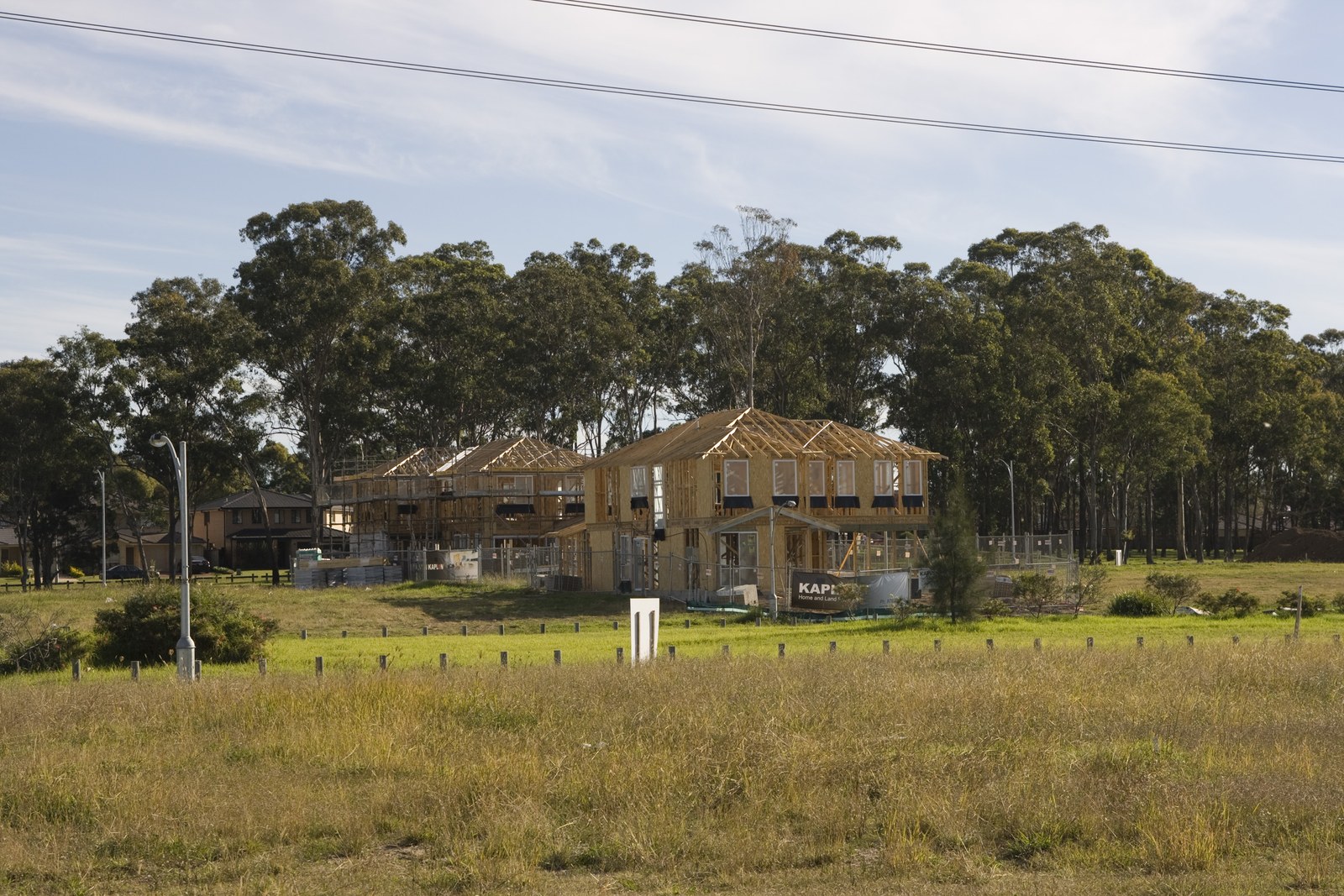
Timber-framed homes under construction in Prestons, in Sydney's south-west. Photo: Maksym Kozlenko / Wikimedia Commons, CC BY-SA 4.0, resized
What it adds to a typical home loan
Banks have passed each of this year's earlier hikes on in full. AMP chief economist Shane Oliver told the ABC he expects them to announce the 0.25% increase "on the same day" again.
Using Canstar figures reported by the ABC and The Guardian:
Loan
Extra a month from today's hike
Total extra a month from all five 2026 hikes
$600,000 (25 years left, variable)
about $92
about $456
$700,000 (variable)
$107
$532
Source: Canstar, via ABC News and The Guardian, 3 November 2026. Figures assume the hike is passed on in full.
The ABC says the $456 adds up to about $5,472 a year.
If you're mid-build: construction loans and progress payments
A construction loan works differently from a standard mortgage. Your lender releases money in stages as your builder hits each milestone, typically the base or slab, frame, lock-up, fixing and practical completion. During the build, most construction loans charge interest only on the amount drawn so far, not the full loan.
That means the hike hurts less early in the build and more as the drawdowns add up. Here's a simple worked example. Our assumptions: an interest-only construction loan, with the full 0.25 percentage point rise passed on, and interest calculated on the drawn balance only (0.25% × drawn amount ÷ 12).
Amount drawn so far
Extra interest a month
$100,000 (for example, after the slab)
about $21
$300,000 (for example, around lock-up)
about $63
$500,000 (fully drawn at completion)
about $104
Homebuilds calculation. These are illustrations, not quotes. Your loan's stages, rate and structure will differ.
Once the house is finished, most construction loans switch to principal-and-interest repayments, and that's when the full effect shows up. If your build is scheduled to finish next year, plan your budget around the higher rate. On a $600,000 loan, Canstar's figures above put this year's five hikes at about $456 a month.
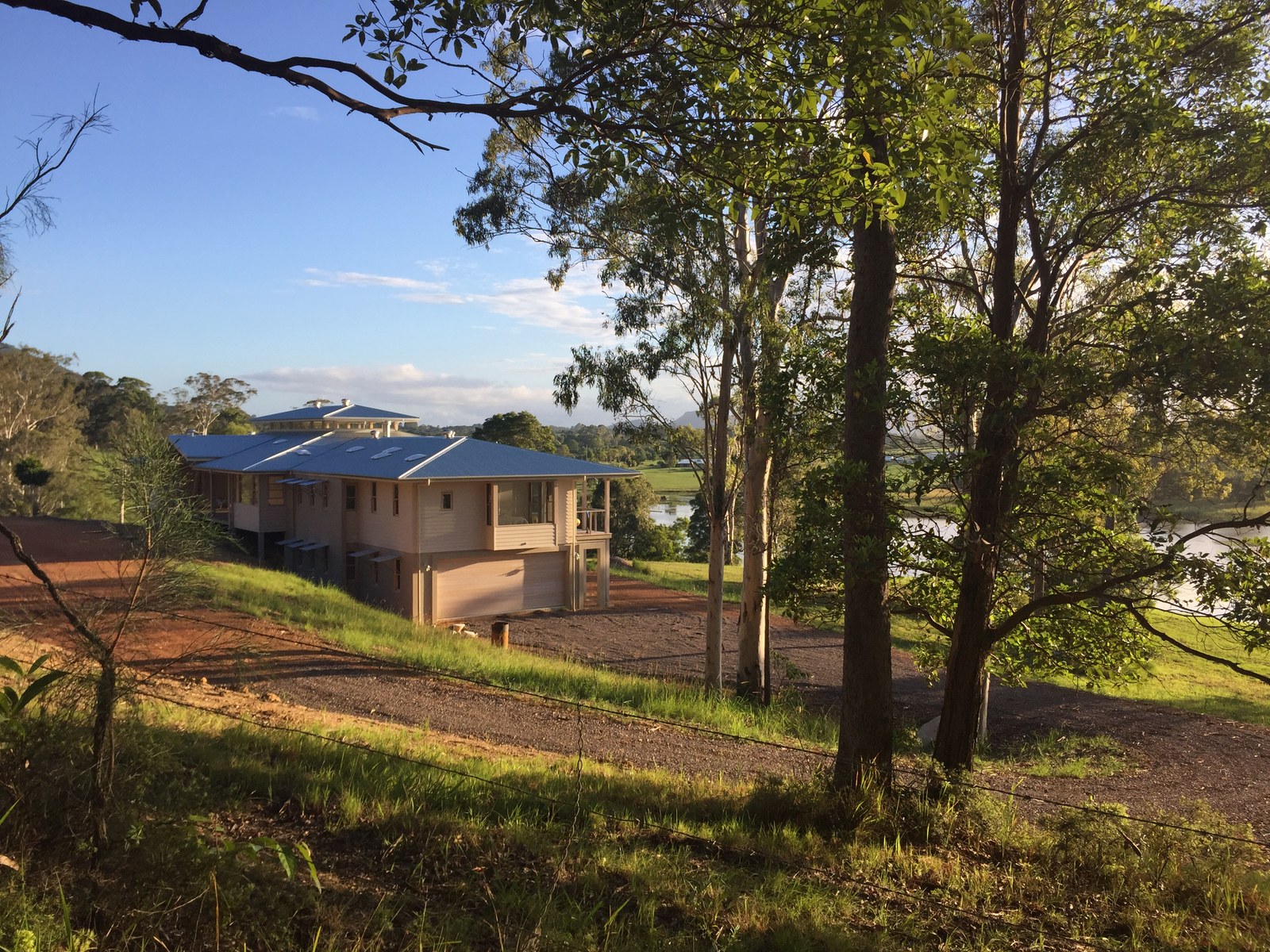
A house under construction at Lake Macdonald, Queensland. Photo: Kgbo / Wikimedia Commons, CC BY-SA 4.0, cropped
Borrowing power takes another hit
The hike also cuts how much you can borrow. Under APRA's rules, lenders must test whether a new borrower could still repay at a rate at least 3 percentage points above the loan's actual rate. Every rise in the loan rate lifts that test rate too.
Canstar estimates the borrowing capacity of someone on the average full-time wage of $108,650 falls by more than $58,000. For a couple both on average wages, it falls by nearly $117,000.
If your pre-approval was issued before today, it was assessed at the old rate. Ask your lender or broker to re-check it before you sign a building contract or a land contract.
House-and-land buyers: two contracts, two pressure points
A house-and-land purchase usually means a land contract and a separate building contract. That leaves you exposed twice: once when the land settles and again as the build loan draws down.
Land prices haven't fallen in step with established homes. In south-east Queensland, Oliver Hume research reported by realestate.com.au put the median residential lot at a record $549,000 in the September quarter, up 13.2% in a year. Oliver Hume chief economist Matt Bell said buyer enquiries had dropped "as higher interest rates put further pressure on household budgets and borrowing capacity", but that weakness was "yet to translate into a meaningful correction in land prices".
Established values, meanwhile, are falling. Cotality's index fell 1.2% in October, its seventh monthly drop in a row, leaving national values 6.7% below their March peak. On the morning of the decision, CBA forecast national dwelling prices would fall about 14% from peak to trough this cycle.
For buyers weighing up a new home against an established one, that gap matters. Falling established prices and softer land demand could also give you more room to negotiate with developers.
Builders and approvals
The building industry was already under pressure before today. In a statement after the decision, Master Builders Australia said the rise came as building materials inflation sits at a three-year high, apprenticeship numbers are at a five-year low and the cost of building a new home is up 53% since the pandemic.
Master Builders warned that "each of these challenges combined with historically high interest rates erode the financial case for projects to proceed", adding that "construction forecasts have been downgraded".
ABS figures show 208,318 homes were approved in the 12 months to September. That's well short of the 240,000 a year the National Housing Accord needs, and the target hasn't been met since 2016. Approvals for private houses fell 5.3% in September alone. ABS producer price figures also show input costs for house construction rose 3.9% in the year to September, which Master Builders describes as the fastest pace in three years.
HIA senior economist Tom Devitt has warned that the effects of this year's hikes and the May federal budget are only expected to start hitting approvals from early 2027. After the September hike, he said higher rates "are reducing the capacity of households to purchase a home and the volume of new homes the industry builds". HIA hadn't published a response to today's decision when we went to press.
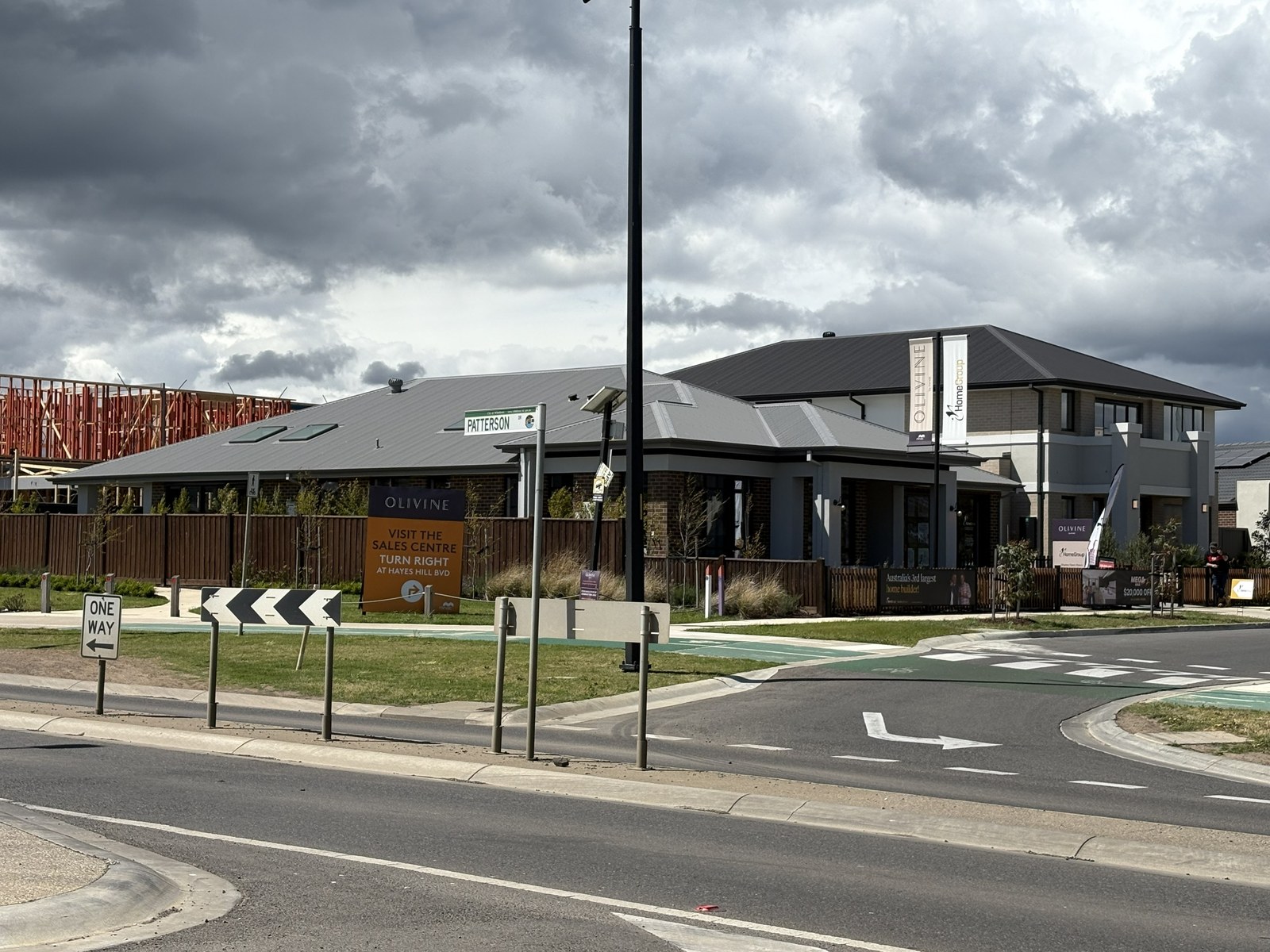
A display home in Donnybrook, Victoria. Photo: Onmaditque / Wikimedia Commons, CC BY-SA 4.0, cropped
Are more hikes coming?
Maybe not, but don't count on cuts soon. The RBA's statement didn't explicitly flag another rise. It said the board "will continue to do what it considers necessary to bring inflation sustainably back to target", and noted that this year's increases "have tightened financial conditions".
Economists are split:
Capital Economics' Marcel Thieliant said "the Bank is now done tightening", but expects no cut until the end of next year.
NAB chief economist Sally Auld said before the decision that "it is possible we might see more interest rate rises in the next few months".
On the timing of cuts, the ABC reports Westpac, NAB and CBA economists expect the first one from August 2027, and ANZ from November 2027.
The RBA's last meeting for the year is on Tuesday 8 December.
Practical tips if you're building
Re-run your budget at the new rate. Do it for the final principal-and-interest loan, not just the interest-only build phase.
Re-check pre-approvals before signing a land or building contract, because borrowing capacity has dropped again.
Ask your lender when the new rate applies to your loan. The date your repayments change can lag the date the rate changes, so check your lender's notice.
Keep a buffer for progress payments. Interest climbs with each drawdown, and any variations to your build add to the loan.
Read your building contract. Check what it says about price rises, and whether it's fixed-price.
Talk to your lender early if you're struggling. The free National Debt Helpline (1800 007 007) can also help.
This is general information, not financial advice. Speak to a licensed broker or adviser about your own situation.
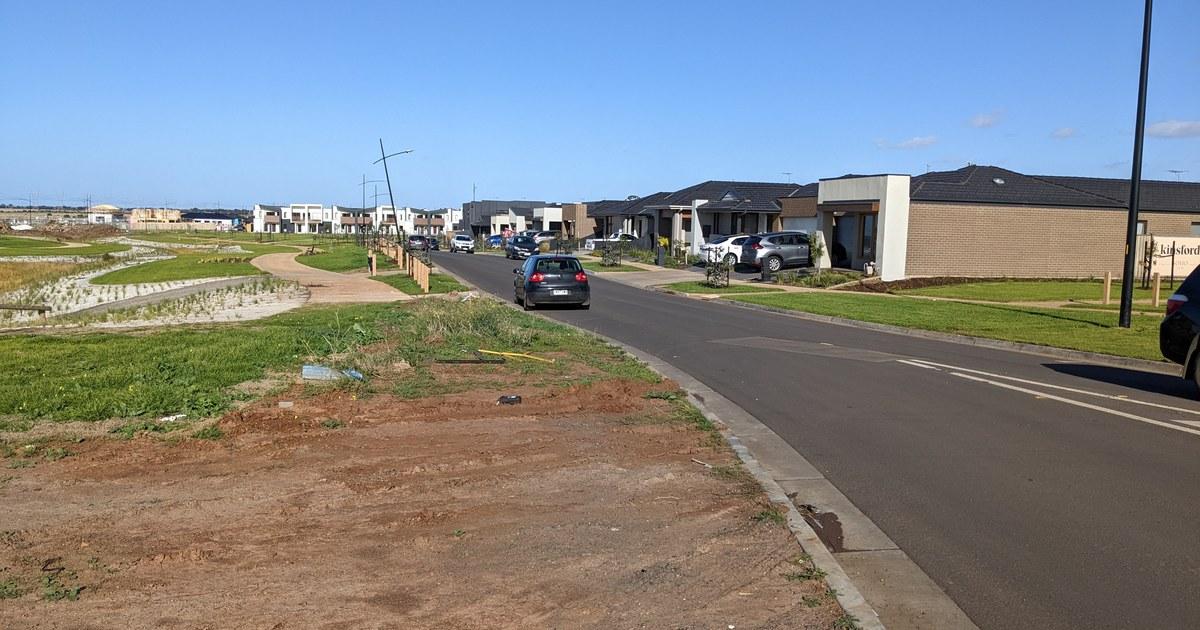
Main image: a new housing estate taking shape in Deanside, Melbourne. Photo: Philip Mallis / Wikimedia Commons, CC BY-SA 4.0, cropped
Sources: Reserve Bank of Australia, Statement by the Monetary Policy Board (3 November 2026); ABC News (3 November 2026); The Guardian (3 November 2026); Canstar; APRA (28 May 2026); Master Builders Australia (3 November and 30 October 2026); HIA (29 September 2026); realestate.com.au (28 October and 3 November 2026); Oliver Hume; Cotality Home Value Index (November 2026); ABS Building Approvals and Producer Price Indexes, September 2026.
Sun Map & House PositionSee how the sun tracks over your block