News
Construction loans plunge 14.4% as home lending records its biggest fall since 2002

Owner-occupier loans to build a house fell 14.4 per cent in the September quarter, according to Australian Bureau of Statistics lending figures released on 11 November. The value of all new home loans dropped 15.5 per cent to $81.2 billion, the largest quarterly fall since that series began in 2002.
The 14.4 per cent figure is the fall in the number of new owner-occupier loan commitments for the construction of dwellings. In seasonally adjusted terms those commitments dropped to 8,114, from 9,483 in the June quarter. Their value fell 12.4 per cent, to $5.75 billion.
Investor loans to build a house fell 11.8 per cent, to 7,267. Taken together, construction loan commitments were down 13.2 per cent, which is the figure Master Builders Australia used in its headline on the release. That combined fall is sharp, but it is not the largest on record: construction lending fell more steeply in 2021.
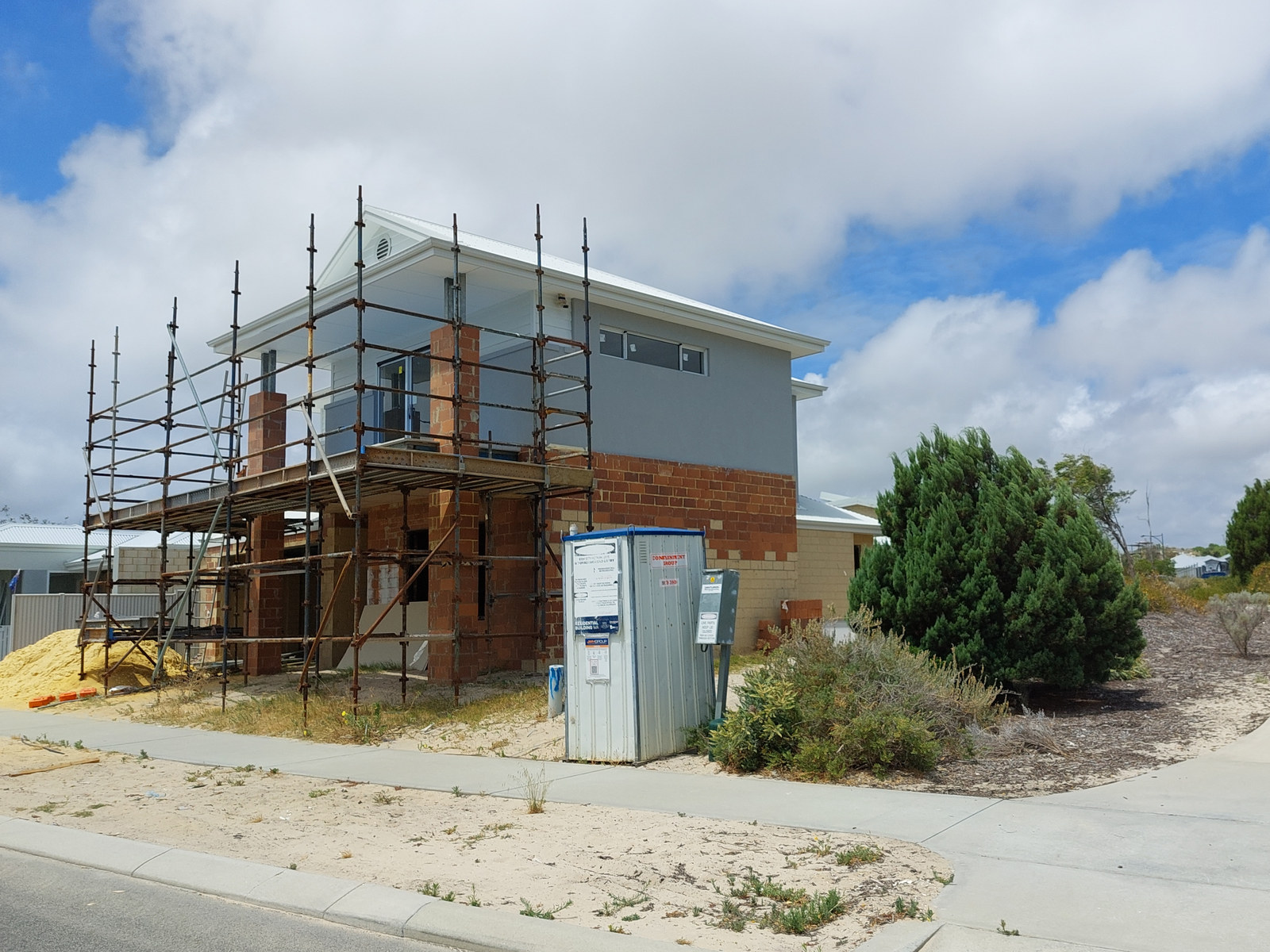
Scaffolding around a two-storey house under construction in Alkimos, Western Australia. Photo: Orderinchaos / Wikimedia Commons (CC BY-SA 4.0), cropped
Investor loans for established homes drove the wider slump
Across all new home loans, including those for established houses, the number of commitments fell 15.0 per cent to 111,878. Investor lending overall fell 30.6 per cent, the sharpest quarterly drop in the current series, almost entirely because loans for established homes collapsed. Loans to first-home buyers fell 8.6 per cent to 26,415, and now sit 12.3 per cent lower than a year earlier. First-home buyers still accounted for more than a third of owner-occupier lending.
The construction slump was sharper in some states. Owner-occupier construction loans fell 24.9 per cent in Victoria and 19.0 per cent in Queensland, with Western Australia down 13.7 per cent and New South Wales 11.4 per cent. Loans to owner-occupiers to buy residential land, often the first step before a building contract, also fell 14.0 per cent.
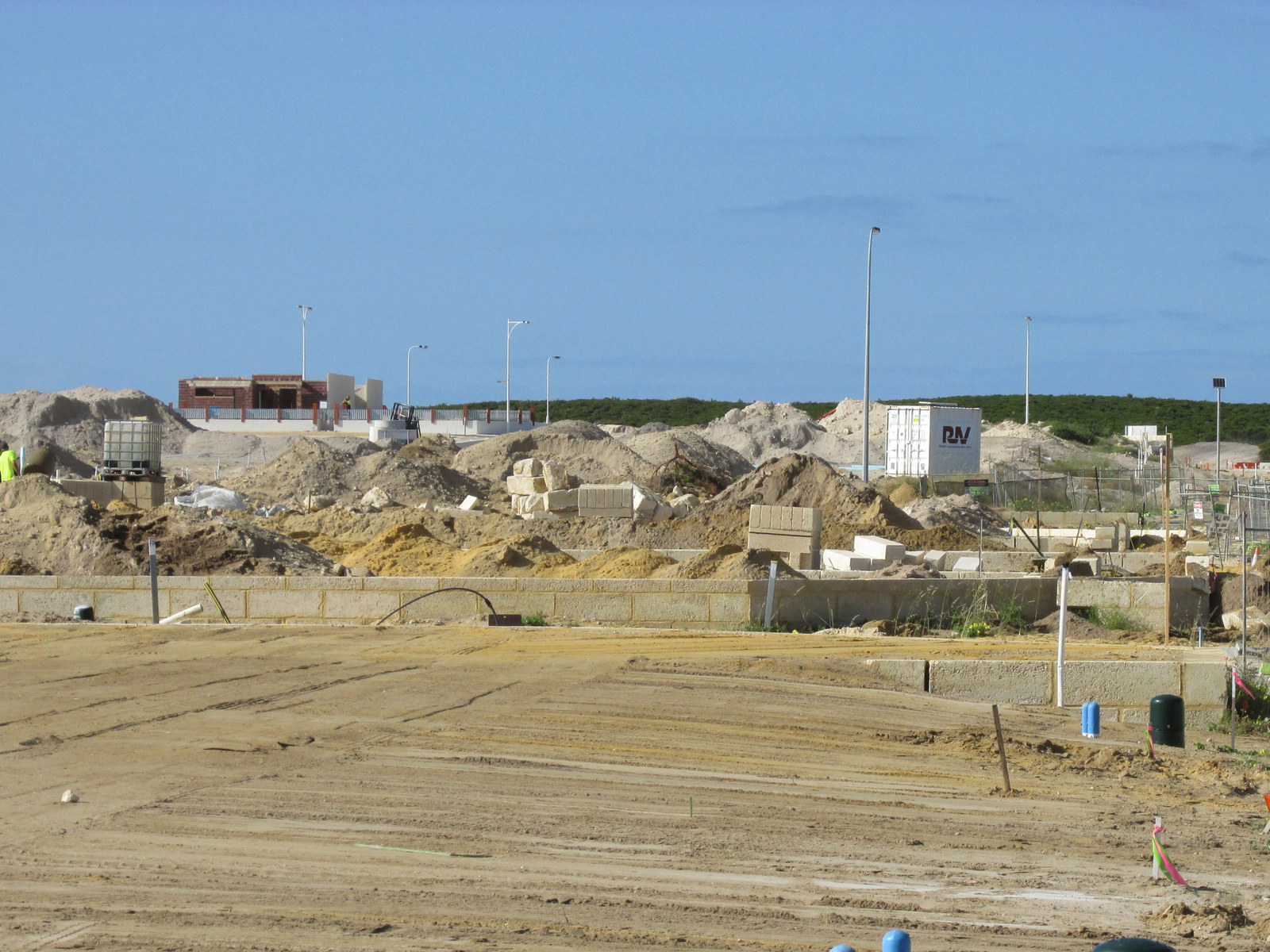
Houses going up, and civil works under way, at the Amberton estate in Eglinton, north of Perth. Photo: Orderinchaos / Wikimedia Commons (CC BY-SA 4.0), cropped
What that means if you are building a house
Master Builders chief economist Shane Garrett said the decline in housing finance "will mean weaker approvals, commencements and completions down the track." CEO Denita Wawn, speaking at the National Press Club on 11 November, said the federal government's policy settings "clearly aren't having the intended effect on housing supply" and called for a policy reset.
These September-quarter figures close before the Reserve Bank raised the cash rate to 4.85 per cent on 3 November, so they do not yet capture that latest increase.
If you are about to sign a building contract, ask for a realistic start date in writing and check whether your loan pre-approval still stands, because borrowing capacity tightens when rates rise. If you are mid-build, remember that a construction loan is usually drawn in stages — typically slab, frame, lock-up, fixing and completion — and interest is charged only on the amount already drawn. That interest bill rises with every progress payment, so talk to your lender early if the calendar slips.
This is general information, not financial or legal advice.
Wawn said the squeeze was "bad for tradies and their forward books, but also for the mums and dads who simply want to build and own their own home." For anyone building a house, the message from this quarter is straightforward: construction finance has tightened, costs and rates are still high, and a start date is not something to take for granted.
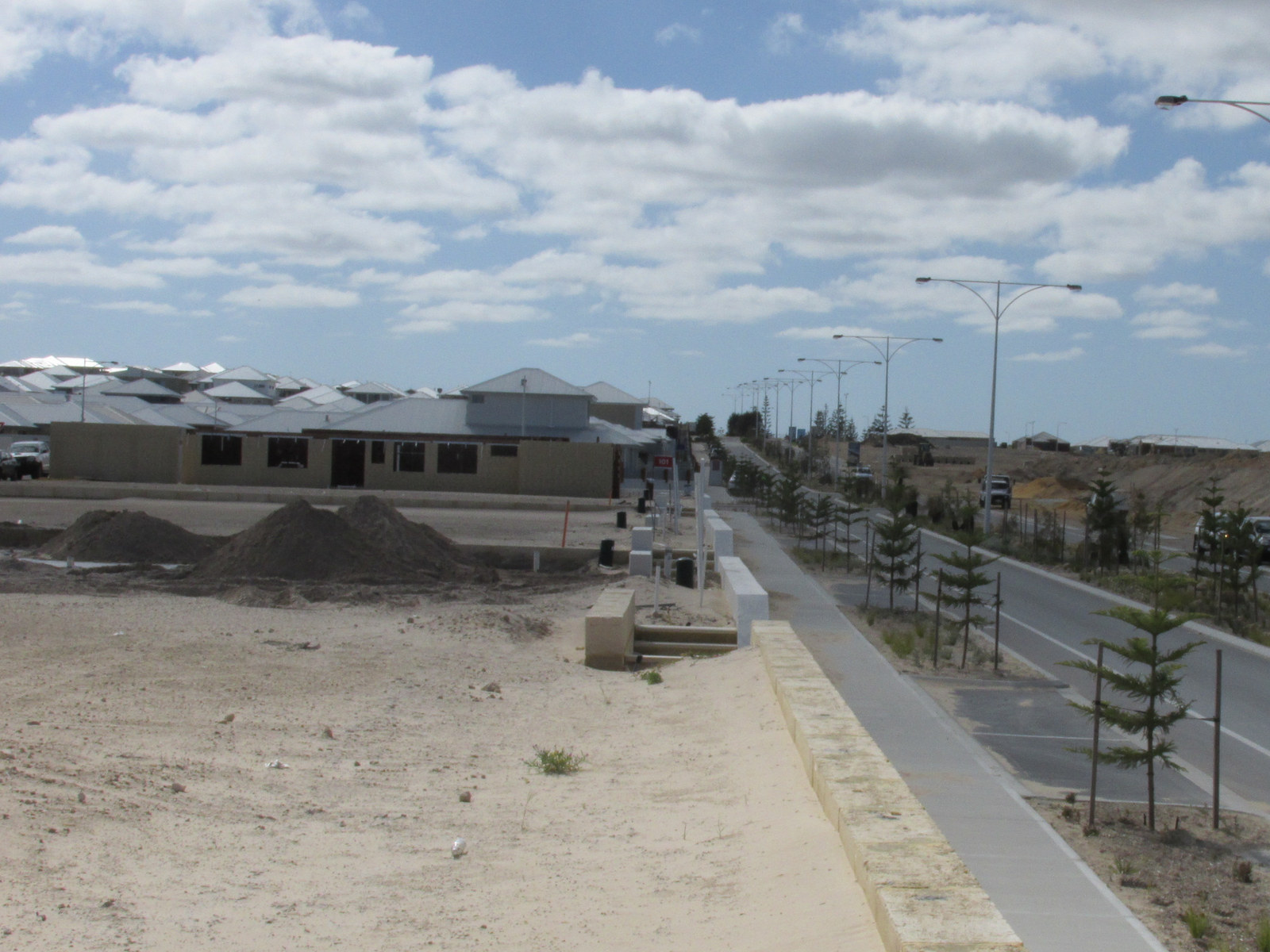
New houses and vacant lots along a freshly built road at the Amberton estate in Eglinton, Western Australia. Photo: Orderinchaos / Wikimedia Commons (CC BY-SA 3.0), cropped
Sources: Australian Bureau of Statistics, Lending Indicators, September Quarter 2026, released 11 November 2026 (Tables 1, 3, 5, 6, 7, 9 and 13, seasonally adjusted unless noted); Master Builders Australia, media release "Home lending down 13 per cent, largest drop since 2002", 11 November 2026.