News
3 in 5 builders run trusts. HIA warns granny flats would be locked out of new housing tax settings

ZAround three in five residential building businesses operate through a trust. That is the figure the Housing Industry Association put to a Senate inquiry today, as it urged senators to reject a proposed tax on discretionary trusts and, just as importantly, to fix a buried definition of "new housing" that would leave granny flats, multi-generational homes and knock-down rebuilds outside the tax settings meant to encourage supply.
What HIA told the Senate
HIA managing director Jocelyn Martin appeared at today's Senate Inquiry into the Minimum Tax on Discretionary Trusts. Her message covered two parts of the same package of reforms.
The first is the trust tax itself. HIA says family-owned builders, tradies and construction businesses have long used trusts to manage cash flow, invest and plan succession. If the reforms go ahead, she said, businesses would be forced to spend thousands of dollars on advice and restructuring simply to understand and comply. She described the changes as "the wrong policy at the wrong time" for an industry already under cost and complexity pressure.
The second part has had far less attention. Alongside the trust tax, the Bill introduces a new definition of a residential dwelling for the negative gearing and capital gains tax (CGT) housing settings. Those settings are designed to favour investment in new housing. From 1 July 2027, negative gearing for residential dwellings is generally limited to new homes (with properties held before the May 2026 Budget night grandfathered). Eligible new dwellings can also keep the 50% CGT discount.
"Everyone is talking about the tax on trusts, but almost no attention is being paid to the equally concerning housing measures buried within this legislation," Ms Martin said.
Why granny flats and knock-downs would miss out
HIA says the proposed definition is too narrow and too subjective. In its view it would exclude:
- granny flats
- multi-generational housing
- substantial renovations
- knock-down rebuilds
All of those, HIA argues, add housing capacity and make better use of existing land and infrastructure. "If investment incentives are going to be tied to a definition of new housing, that definition must recognise the full range of housing solutions being delivered across Australia," Ms Martin said.
That line of argument matches independent analysis of the Bill. Under the proposed rules, a dwelling generally counts as "new" if it is built on vacant land, adds an extra dwelling that can be sold separately, converts a non-residential building, or is bought within 24 months of its first occupancy certificate. A one-for-one knock-down rebuild on the same block typically does not increase the dwelling count, so it falls outside. A granny flat that cannot be sold as a separate legal interest also typically fails the test.
HIA wants the dwelling definition redrafted with industry and aligned with the existing "new housing" definitions already used in the GST system.
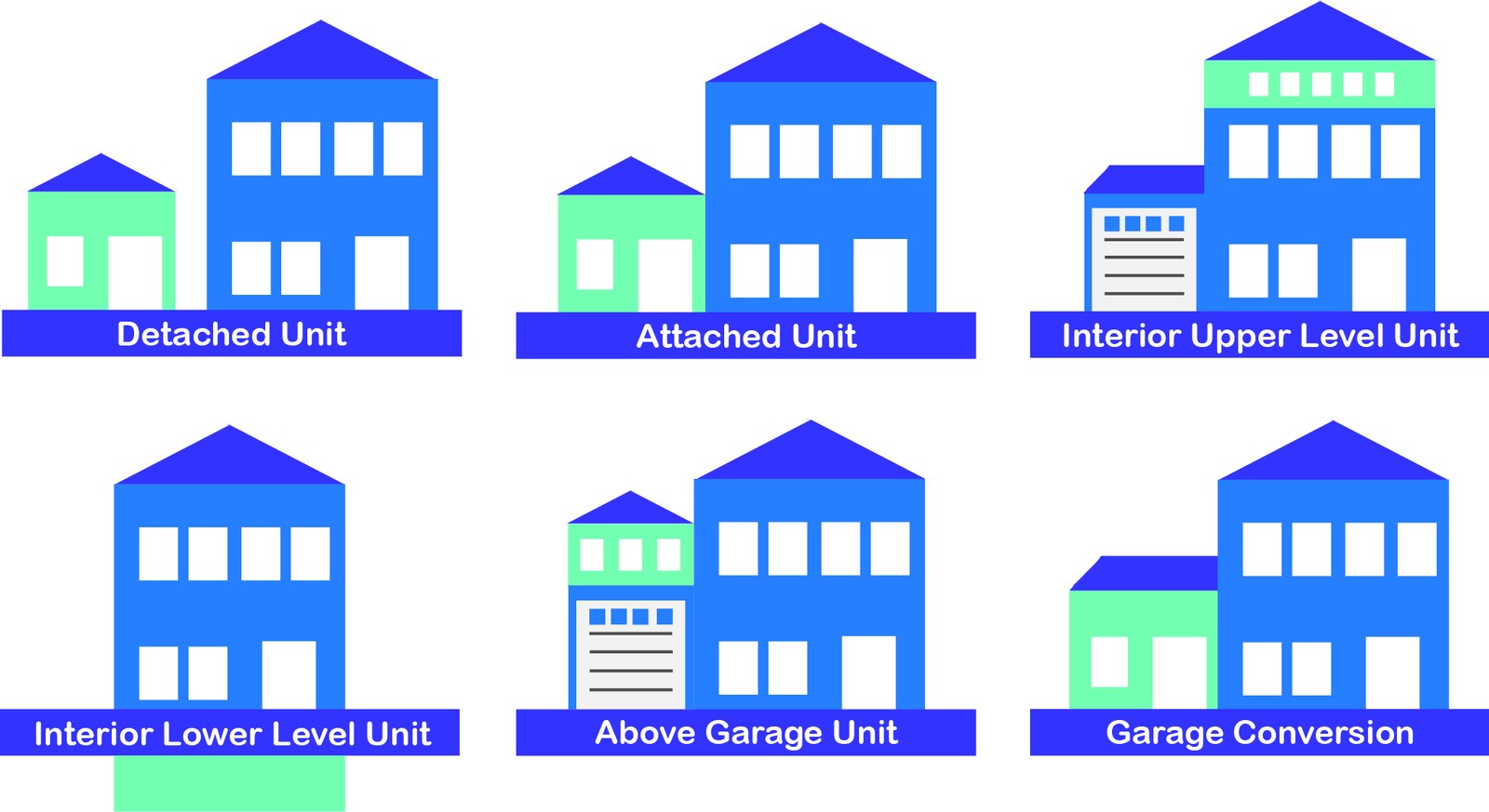
How secondary dwellings can sit on a block: detached, attached, above a garage or carved out of the main house. Photo: Joiedevivre123321 / Wikimedia Commons, CC BY-SA 4.0, resized
SMSFs and the bigger supply argument
HIA also asked the Senate to reverse what it called an "own-goal" ban on self-managed super funds investing in new rental housing, saying that ban has already cut new home sales.
"Australia cannot tax, regulate and redefine its way to more homes," Ms Martin said. "We need policies that encourage investment, support small businesses and make it easier to build, whereas this Bill would result in the opposite effect."
Master Builders Australia has separately warned that the trust tax would hit small construction businesses hard, with compliance costs in the tens of thousands of dollars a year and restructuring bills that could be passed on to home buyers (see our earlier pipeline note on HB-021).
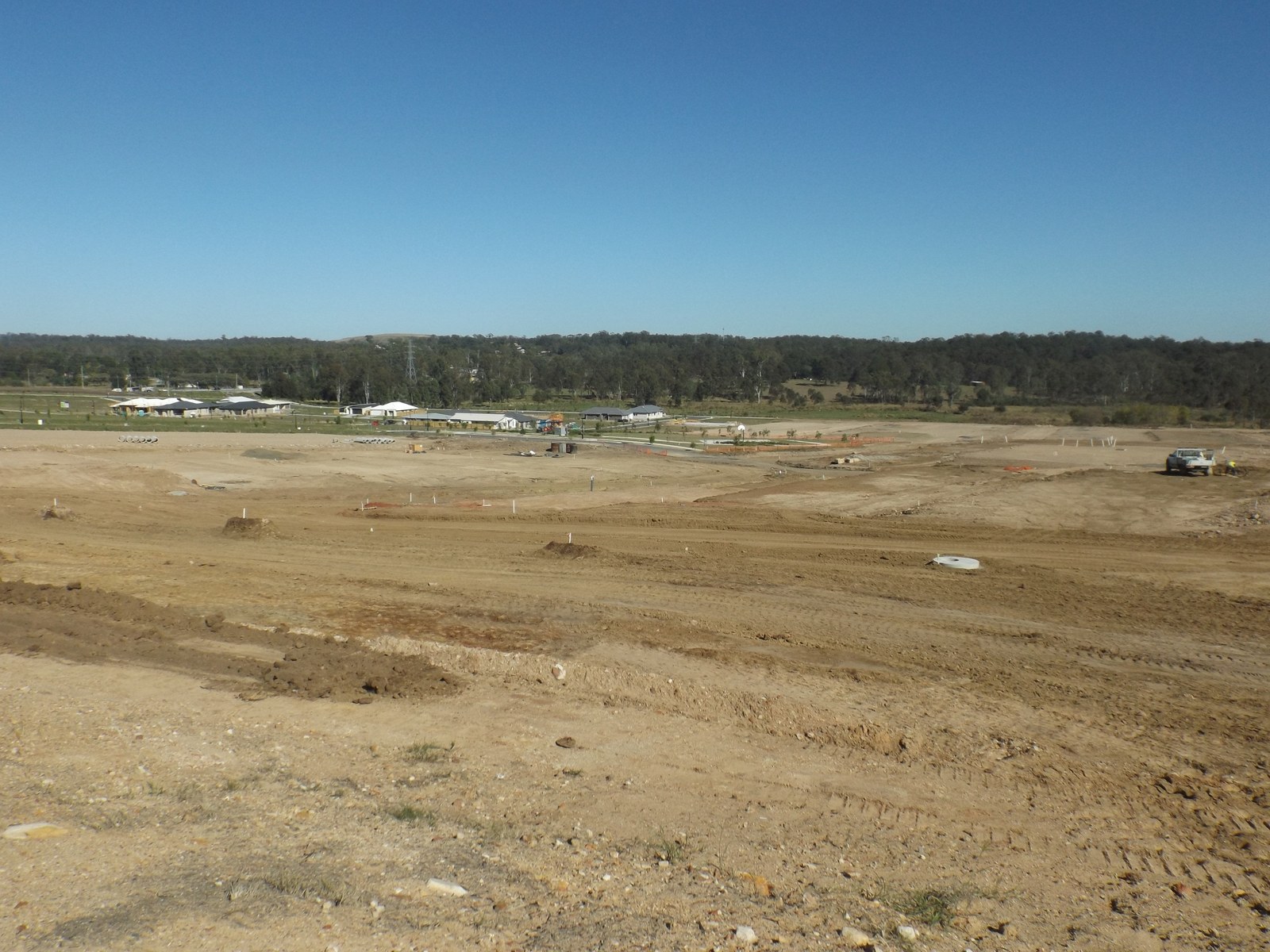
Cleared land ready for housing at Collingwood Park, Queensland. Knock-down rebuilds and secondary dwellings are often how established suburbs add homes without new greenfield estates. Photo: Shiftchange / Wikimedia Commons, cropped
What it means if you're building or investing
If you're adding a granny flat or rebuilding on the same block, check carefully whether the finished home would still attract the "new residential dwelling" tax settings. Under the Bill as drafted, many of those projects would not.
If your building business runs through a trust, factor in advice and possible restructuring costs if the reforms pass. About three in five residential building businesses are in that position, according to HIA.
If you're buying a house-and-land package or an off-the-plan new home, the "new dwelling" pathway is clearer: a home built on previously vacant land, or bought within 24 months of its first occupancy certificate, is the kind of project the rules are written to favour.
None of this is law yet for the dwelling definition and the trust tax package still before the Senate. The core negative gearing limits from 1 July 2027 are already enacted. Keep an eye on the inquiry and any redraft before you sign a building contract that relies on the investor tax settings.
Sources: Housing Industry Association; Treasury Laws Amendment (Tax Reform No. 3) Bill 2026 (Parliamentary Library digest and Bill text); Master Builders Australia.
Main image: Homes under construction in a new estate at Golden Bay, Western Australia. Photo: Calistemon / Wikimedia Commons, CC BY-SA 4.0, cropped