News
Building Costs Rise at Fastest Pace in Three Years: What It Means If You're Building a New Home
The cost of the materials that go into a new house is climbing again. New Australian Bureau of Statistics (ABS) figures show input costs for house construction rose 3.9% in the 12 months to September 2026, the fastest annual increase in three years.
Master Builders Australia, which flagged the figures on 30 October, says the cost of building a new home is now 53% higher than before the pandemic.
TL;DR: Building material costs are rising faster than they have since 2023, led by electrical equipment (up 14.5% in a year) and plumbing products (up 9.4%). Brisbane saw the biggest jump of any capital. If you're planning a build, lock in your price early, read the escalation clauses carefully and keep a healthy contingency.
What the latest numbers show
The ABS Producer Price Index for the September quarter tracks what builders pay for materials. Input costs for house construction rose 1.0% in the quarter and 3.9% over the year. That's the highest annual rise since the September quarter of 2023.
A handful of categories did most of the damage over the past 12 months:
- Electrical equipment: up 14.5%, driven by high global copper prices.
- Plumbing products: up 9.4%, as plastic pipe and fittings costs rose with oil prices.
- Other metal products, including copper pipes and fittings: up 5.0%.
- Ceramics: up 4.1%, according to Master Builders.
Master Builders Chief Economist Shane Garrett said the figures show construction cost pressures "remain firmly embedded in the economy".
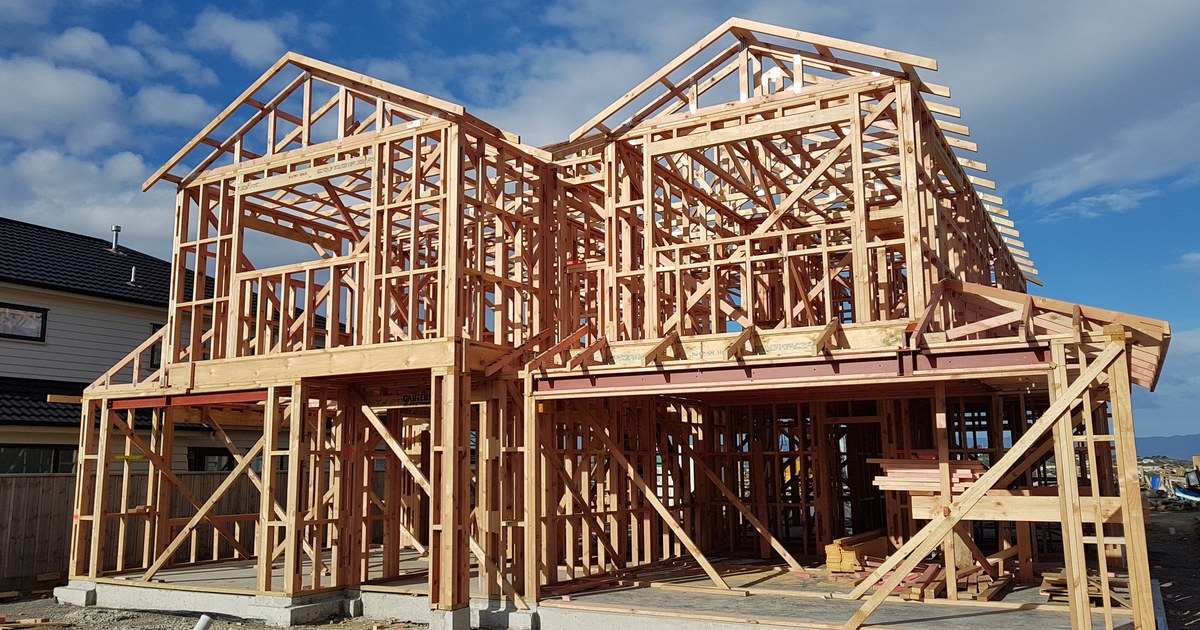
Photo: L Maule / Wikimedia Commons (CC BY-SA 4.0), cropped
Why Brisbane builds are feeling it most
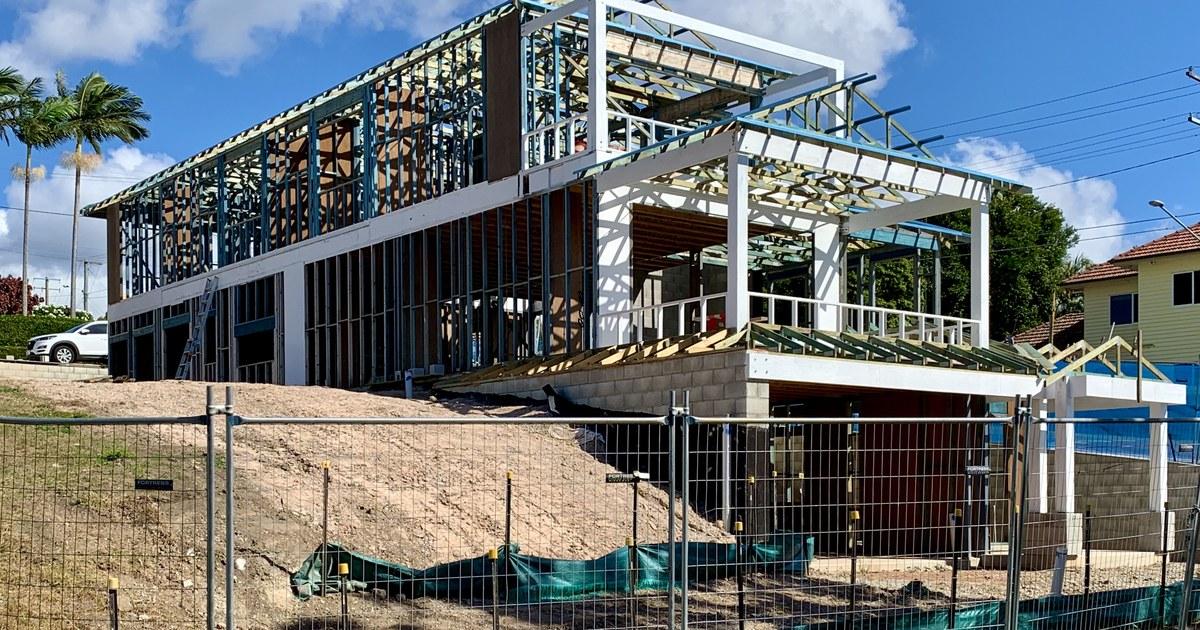
Brisbane recorded the steepest rise in material costs of any capital city. Input prices there rose 1.6% in the September quarter and 4.9% over the year. Aluminium windows and doors (up 3.3% for the quarter) were the main driver.
The price builders charge for a finished house is rising too. ABS output prices for house construction rose 5.7% nationally over the year. They were up 7.8% in Queensland and Western Australia, and 10.7% in Tasmania.
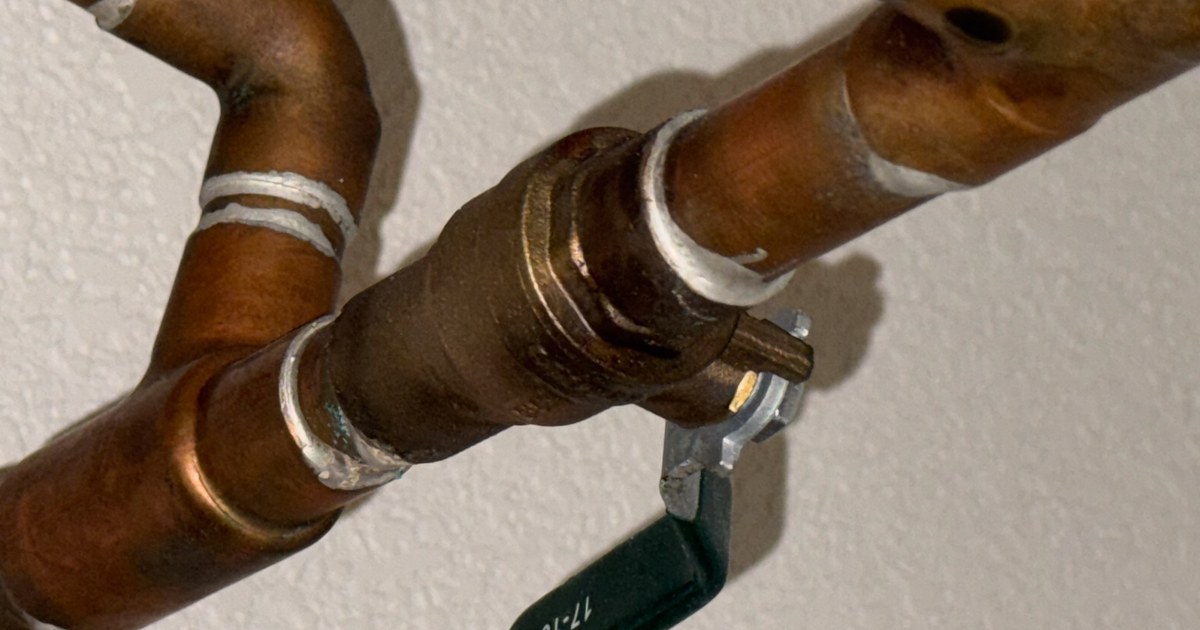
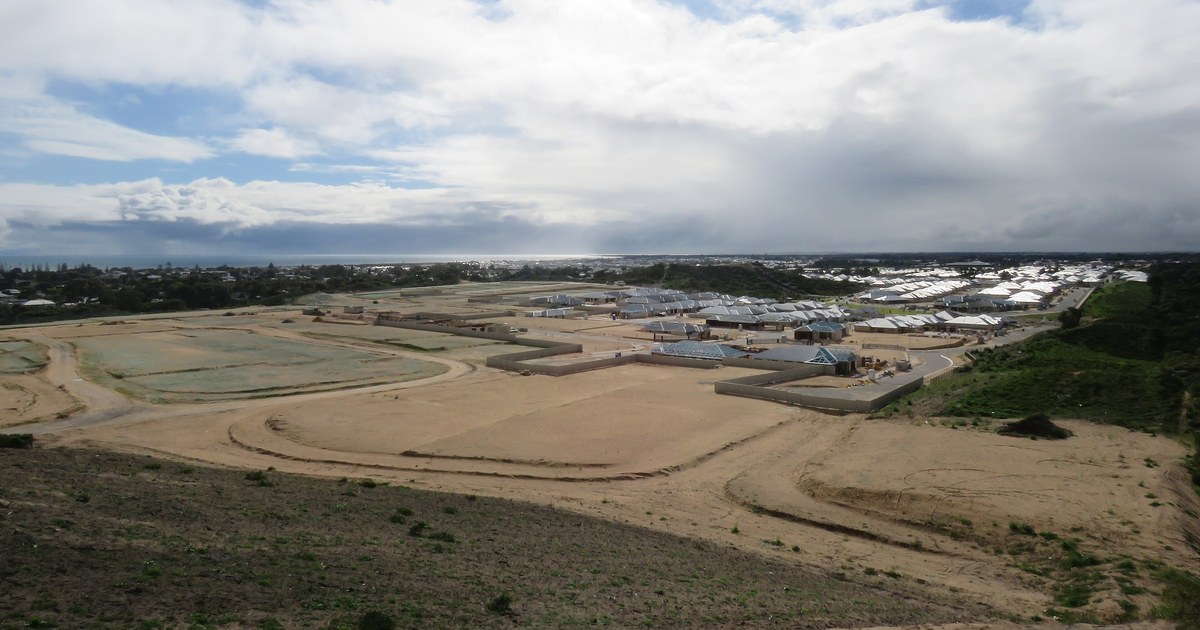
Photo: Tony Webster / Wikimedia Commons (CC BY 2.0), cropped