House and Land Packages Explained: How They Work (2026)
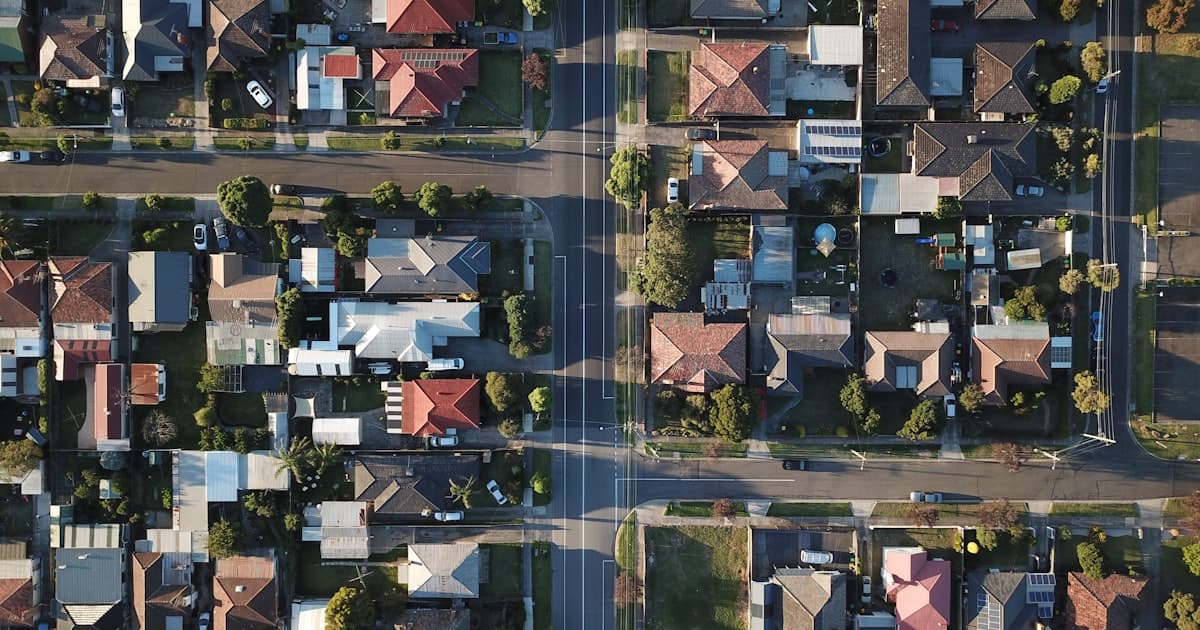
The national median residential lot hit a record $372,620 in early 2025 — 39.2% higher than in 2019 (HIA–Cotality Residential Land Report, August 2025). Land, not the house, is now the fastest-growing part of a new home budget.
So when a billboard advertises a "house and land package from $650k", what are you actually buying? One product? Two contracts? Who owns the land, and when do you start paying the builder?
This guide explains how house and land packages really work in Australia — the two-contract structure, the stamp duty saving that comes with it, what turnkey actually means, and the titled-versus-untitled land risks that most package brochures never mention.
TL;DR: A house and land package bundles a block of land and a new home build, usually under two separate contracts — so stamp duty applies to the land only, saving a Melbourne buyer roughly $20,000 versus an established home at the same price. The national median lot price reached a record $372,620 in early 2025 (HIA–Cotality).
What Is a House and Land Package?
A house and land package is a bundled offer: a specific block of land in a new estate paired with a home design priced to suit it. Around 78,400 detached houses were completed across capital-city greenfield and infill markets in 2025 (UDIA State of the Land 2026, March 2026) — and packages in greenfield estates are how a large share of them were sold.
Packages come in two forms, and the difference matters more than the marketing suggests:
Two-contract package — You sign a land contract with the developer and a separate building contract with the builder. You settle on the land first, then the build starts. This is the standard structure.
Single-contract (completed or turnkey) package — One contract for a finished home, often sold by an investor-focused developer. It behaves more like buying an established house, including how stamp duty is assessed.
The advertised package price is the land price plus the builder's base price for that design. It's a genuine convenience — the builder has already matched the design to the lot's width, fall, and estate covenants. But the base price isn't always the finished price. What's included varies enormously between builders, which we'll get to below.
Ready to see what's available? Browse home designs from builders across Australia, or start with our guide to the cost of building a house in Australia.
How Does the Two-Contract Structure Work?
The two-contract structure is why building new usually beats buying established on stamp duty: transfer duty is charged on the land contract only, and in NSW, improvements made after the contract date aren't dutiable at all (Revenue NSW, Ruling DUT 018). You pay duty on a $370,000 block, not a $700,000 finished home.
Here's the sequence for a typical two-contract package:
Reserve the package — Usually a small holding deposit while contracts are prepared
Sign the land contract — With the developer; your deposit is typically 5–10%
Sign the building contract — With the builder, often conditional on land settlement
Land settles — Once the lot is titled; your land loan draws down and duty is paid on the land value
Construction starts — The builder claims progress payments at each completed stage
Handover — Final payment, keys, and your loan converts to a standard home loan

Approximate Victorian duty at standard rates. Source: SRO Victoria, 2026
Run the numbers for your own state before you count the saving — every state's rates and concessions differ. First home buyers do even better: NSW exempts vacant land up to $350,000 entirely and offers concessions up to $450,000 under the First Home Buyers Assistance Scheme (Revenue NSW, 2026).
One caveat worth knowing. In WA, the duty treatment depends on the contract structure and timing — if you buy a completed home, or the build is already underway under certain arrangements, duty can be assessed on the land plus the dwelling (RevenueWA residential land fact sheet). Single-contract turnkey buyers shouldn't assume the land-only saving applies.
How Much Does Land Cost in 2026?
Land is expensive and getting more so: the median lot price rose 6.8% over 2024–25 — roughly three times inflation — while the March quarter of 2025 recorded just 8,250 lot sales nationally, the weakest quarter in 25 years (HIA–Cotality, October 2025). Less supply, higher prices — that's the backdrop every package buyer is negotiating against.
City by city, the latest published figures look like this:

Latest published lot prices — medians except Perth (average); reporting periods differ by market. Sources: UDIA State of the Land 2026; Oliver Hume; UDIA WA
The growth stories behind those bars are dramatic. Perth lot prices jumped 29.8% in a single year, and Brisbane overtook Melbourne for the first time in around a decade (HIA–Cotality, October 2025). South East Queensland broke $1,000 per square metre for the first time in early 2025 (Oliver Hume, May 2025). Blocks are shrinking too — Adelaide's median lot lost 10% of its area in a year, landing at 378sqm.
What does that mean for a package buyer? The land component now often rivals the build cost. Site works add more again on sloping or reactive blocks — our guide to site costs and why they vary explains what to budget.
Turnkey vs Standard Packages: Know What's Included
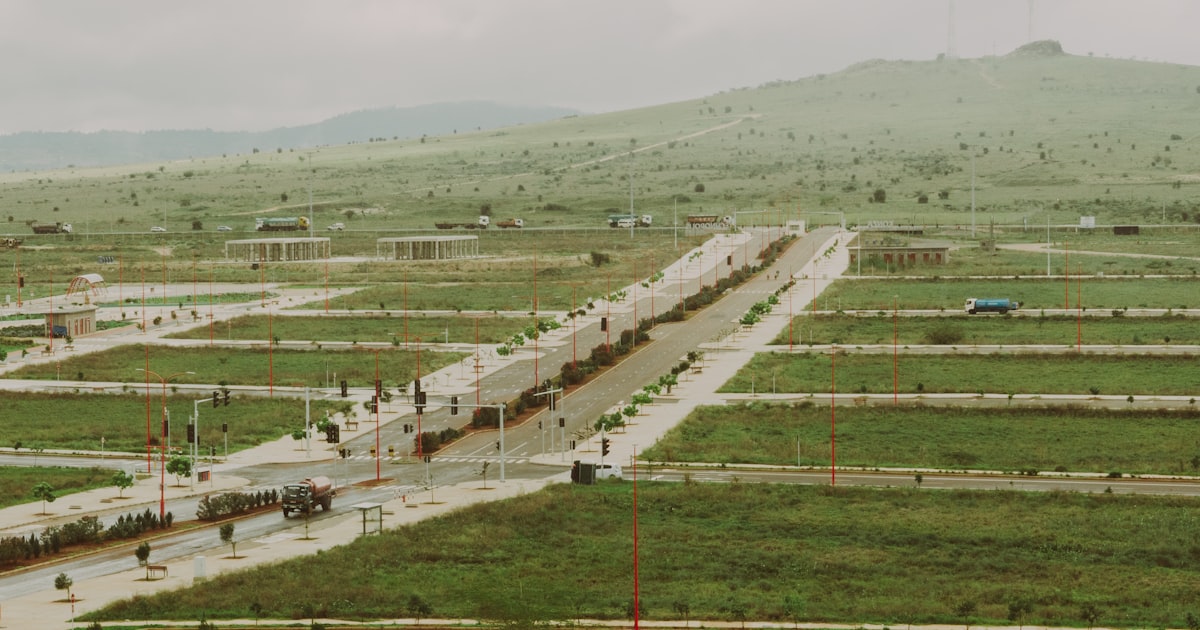
"Turnkey" means the price covers everything needed to move in — driveway, flooring, blinds, letterbox, clothesline, landscaping, and fencing — while a standard package base price usually doesn't. Two packages at the same advertised price can be $40,000+ apart in what you actually receive.
Our finding: We compared 15 current inclusion packages from 8 Australian volume builders (2025–2026 brochure editions). Driveways were excluded from 12 of the 15, window coverings from 14, and landscaping from 14. Air conditioning appeared in only 4. If your package isn't explicitly turnkey, assume these are extras until the contract says otherwise.
That's why the inclusions document matters more than the glossy render. Before you sign anything:
Get the full standard inclusions list in writing — not the display home spec
Confirm site costs are fixed after the soil test, not a provisional allowance
Ask specifically about flooring, driveway, cooling, blinds, landscaping, and fencing
Check whether appliances are included or "provision only" (space and wiring, no appliance)
Our builder inclusions guide breaks down what's standard and what costs extra builder by builder, and you can put any two builders' packages side by side with our comparison tool.
Titled vs Untitled Land: The Risk Nobody Explains
Most package land in new estates is sold untitled — the developer hasn't yet registered the subdivision plan, so the block you've bought doesn't legally exist as a separate lot. Settlement can't happen until title registers, and in Victoria the default registration window is 18 months if your contract doesn't specify one (Sale of Land Act 1962 (Vic), s 9AE).
Why does the wait matter? Three practical reasons:
Finance pre-approvals expire — typically after about 90 days (Westpac). A long titling delay can force you to re-apply under different rates or lending rules.
Your build start date slips — the builder can't start until the land settles, and build price-hold periods can lapse in the meantime.
Valuations can move — the bank values the land at settlement, not at contract. In a falling market, that gap is yours to fund.
Our finding: Sunset clauses now protect buyers more than most people realise. In both NSW and Victoria, a developer can no longer simply rescind a residential off-the-plan contract when the sunset date passes — they need your written consent with 28 days' notice, or a Supreme Court order (Conveyancing Act 1919 (NSW), s 66ZL; NSW Fair Trading). If a developer pressures you to "agree to cancel" a well-priced lot, get legal advice before signing anything.
Buying titled land removes most of this risk — you settle within weeks and the builder can start once approvals clear. The trade-off is choice: titled lots in popular estates sell fast, and untitled stages are often the only way into a growth corridor at today's price.
How Do You Finance a House and Land Package?
A two-contract package is financed as a land loan plus a construction loan: the land portion draws down at settlement, then the builder is paid in stage-based progress payments, with interest charged only on the amount drawn so far (Westpac construction loan guide). You're not paying interest on the full build price from day one.
The rhythm looks like this: deposit, then a payment as each verified stage completes — slab, frame, lock-up, fixing, completion. Your lender inspects before releasing each payment. We cover the payment percentages stage by stage in our guide to the stages of building a house.
Government help applies to packages, too. House-and-land and land-plus-build are both eligible property types under the federal Home Guarantee Scheme, though lenders generally require the land to be titled before the guarantee is issued, within the scheme's 90-day pre-approval window (Housing Australia, June 2025). First home buyers building new can stack this with the First Home Owner Grant — see our state-by-state First Home Owner Grant guide for current amounts and caps.
Not sure what a build should cost before finance? Our free Build Cost Estimator gives you a ballpark by state and home size in under a minute.
Are House and Land Packages Worth It?
For most buyers entering a growth corridor, yes — with eyes open. The stamp duty saving is real, grants and guarantees favour new builds, and a design pre-matched to the lot removes genuine planning risk. But the value depends on you reading what the package actually includes.
The honest ledger:
Advantages
Stamp duty on the land only — commonly a five-figure saving
First home buyer grants and the Home Guarantee Scheme apply to new builds
Design already suited to the lot's width, fall, and estate covenants
New home warranty, 7-star energy performance, and low early maintenance
Watch-outs
Base prices often exclude driveways, flooring, cooling, and landscaping — the hidden costs of building add up fast
Untitled land brings titling delays and finance-expiry risk
Estate covenants can dictate facades, fencing, even letterbox styles
Upgrade creep at the design studio can add tens of thousands beyond the advertised price
Would you buy a car without reading the spec sheet? A package is the same purchase discipline at 20 times the price: the advertised figure gets you interested, but the inclusions schedule and the land contract are where the real deal lives.
Frequently Asked Questions
Do you pay stamp duty on a house and land package?
Usually only on the land contract. In NSW, improvements made after the contract date aren't dutiable (Revenue NSW, DUT 018). On a $700,000 package with a $370,000 block, that can roughly halve the duty versus an established home. WA's treatment differs for completed or turnkey homes — check RevenueWA's rules.
How much deposit do you need for a house and land package?
Typically 5–10% on the land contract plus the builder's deposit (often capped around 5% by state law). Eligible first home buyers can purchase with a 5% deposit and no lenders mortgage insurance under the federal Home Guarantee Scheme, which lists house-and-land as an eligible property type (Housing Australia, 2025).
What's the difference between turnkey and a standard package?
Turnkey means move-in ready — flooring, driveway, blinds, landscaping, and fencing are all in the fixed price. Standard base packages usually exclude several of these: our review of 15 current builder packages found driveways missing from 12 and window coverings from 14. Always compare the written inclusions lists, not the advertised prices.
Is it cheaper to buy a house and land package or an established home?
Packages carry lower stamp duty and attract new-build grants, but land in growth corridors has surged — the national median lot hit a record $372,620 in early 2025, up 39.2% on 2019 (HIA–Cotality). Compare total move-in cost, including the extras a base package excludes.
How long does a house and land package take from contract to keys?
If the land is titled, expect roughly 12–18 months including approvals and construction. Untitled land adds the wait for title registration — anything from a few months to more than a year. Our stages of building guide maps the construction timeline in detail.
Conclusion
A house and land package is two purchases wearing one price tag. Judged that way — land contract on its merits, build contract on its inclusions — it's one of the most cost-effective ways into a new home in 2026.
Key takeaways:
Two contracts means stamp duty on the land only — roughly a $20,000 saving on a typical Melbourne package
The national median lot price hit a record $372,620 in early 2025, so the land side deserves as much scrutiny as the house
"From" prices are base prices: driveways, flooring, cooling, and landscaping are usually extras unless the package is turnkey
Untitled land brings titling and finance-expiry risks — know your sunset clause rights in NSW and Victoria
Grants, duty concessions, and the Home Guarantee Scheme all favour building new
Next step: browse home designs that suit your block, then compare what each builder really includes with our side-by-side comparison tool before you fall in love with a facade.