What Are The Stages of Building a House in Australia? (2026 Guide)
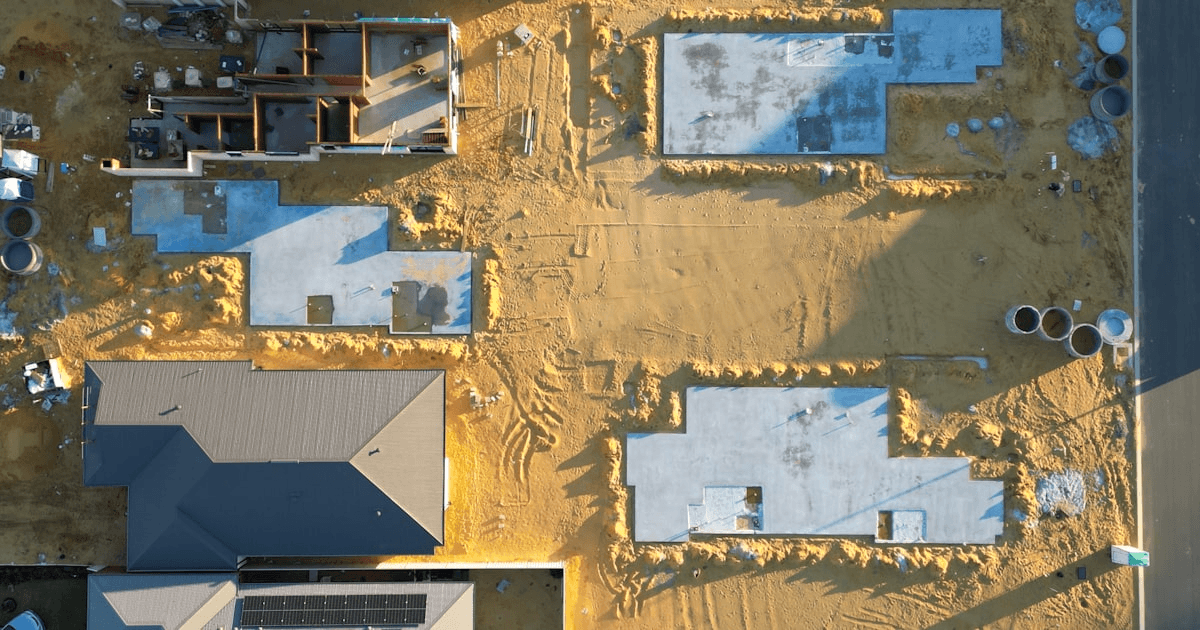
What Are the Stages of Building a House in Australia? (2026 Guide)
Building a house in Australia now takes 11.5 months on average — and that's just the construction phase. Include design, council approvals, and site preparation, and most builds run 15 to 18 months from contract signing to keys [Aspire Designer Homes] That's 35–50% longer than a decade ago.
So how does it actually work? What happens at each stage? When do you pay? And what should you be checking before you sign off on each milestone?
This guide walks through every stage of building a house in Australia — from pre-construction paperwork to the handover inspection — with typical timelines, progress payment percentages, and practical inspection tips for each phase.
> TL;DR: Building a new home in Australia involves 6 construction stages — plus a pre-construction phase covering design, approvals, and contracts. The national average build time is 11.5 months from approval to completion [MPA Mag / IPA analysis of ABS data]. Progress payments are released by your lender at each stage, totalling 100% of the contract price.
What Are the 6 Stages of Building a House in Australia?
Australian residential construction follows 6 standard stages, and your lender releases a progress payment when each one is complete [Home Loan Experts]. Each stage triggers a formal building inspection before work continues and before your bank releases funds. Together, the 6 stages cover the full journey from concrete slab to finished home.
| Stage | What Happens | Typical Duration | Progress Payment |
|-------|-------------|-----------------|-----------------|
| Pre-Construction | Design, DA/CDC, contracts | 4–26 weeks | Deposit (5%) |
| 1. Base / Slab | Site prep, concrete pour | 1–3 weeks | 10–15% |
| 2. Frame | Wall frames, roof trusses | 2–4 weeks | 15–20% |
| 3. Lock-Up | Roof, walls, windows, doors | 2–4 weeks | 20–35% |
| 4. Fixing | Plasterboard, cabinetry, fit-out | 4–8 weeks | 25–30% |
| 5. Completion | Final finishes, handover | 2–4 weeks | 10–15% |
Pre-construction is where timelines blow out before a slab is even poured. DA approvals in Victoria currently average 134 calendar days — versus just 40 days in Queensland and 5–15 business days for an eligible CDC in NSW [Co-Architecture]. Choosing the right approval pathway can shave 3 to 4 months off your total timeline before a slab is poured.
Stage 1: Pre-Construction — Design, Contracts, and Approvals
Pre-construction takes between 4 and 26 weeks for most Australian builds — a wide range driven almost entirely by your state's approval process [Aspire Designer Homes]. This is the most paperwork-intensive phase of the entire build, covering everything from choosing your design to getting a council sign-off before the first machine touches the ground.
What happens during pre-construction:
- Design and tender — Select a plan or commission an architect; obtain quotes and sign a preliminary agreement
- Building contract signed — You pay the deposit (typically 5% of the contract price, capped by law in most states)
- Soil and contour surveys — Required by your engineer to determine slab type and footing depth
- Structural engineering — Plans submitted to and reviewed by a structural engineer
- Council approval — DA (Development Application) or CDC (Complying Development Certificate)
- Home warranty insurance — Mandatory in NSW, VIC, QLD, SA, and WA before construction can begin
Stage 2: Base and Slab — Your Foundation Takes Shape
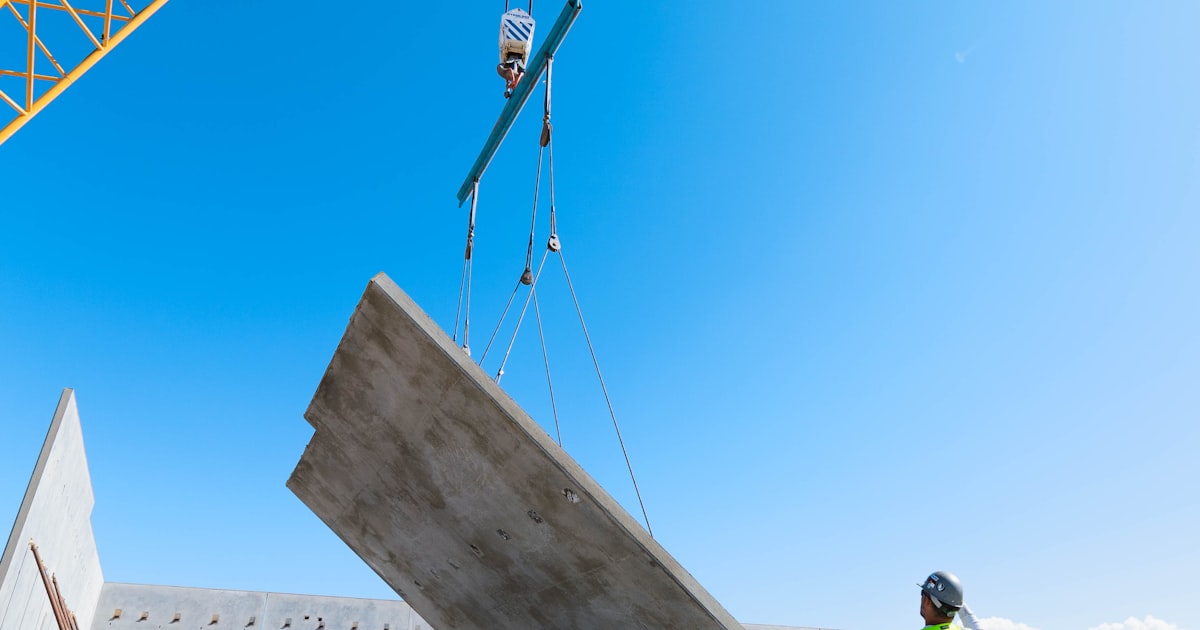
The base stage covers all work at and below ground level, and it triggers your first major construction payment: 10–15% of the contract price [Home Loan Experts]. Your builder clears and levels the site, excavates as needed, installs drainage and service conduits, lays reinforcement steel, and pours the concrete slab — all before a building inspector signs off on it.
Most slabs complete in 1–3 weeks, though reactive soil sites — clay-heavy areas like parts of Melbourne's outer suburbs and Brisbane's west — can extend this considerably.
The two main slab types in Australia:
- Waffle pod slab — Lightweight, used on flat stable ground. Common in new housing estates across Queensland and New South Wales.
- Raft slab — Heavily reinforced, used on reactive or unstable soil. More common in Victoria, South Australia, and regional areas.
Your soil test result (from pre-construction) determines which type your engineer specifies. You don't choose the slab type; your engineer does, based on the data.
What to check before approving the base payment:
- Slab is level at multiple measurement points (rent or borrow a laser level)
- Drainage positions match your plumbing plan
- No visible cracking wider than a hairline
- Site drainage slopes away from the slab perimeter on all sides
Stage 3: Frame — The Structure Rises
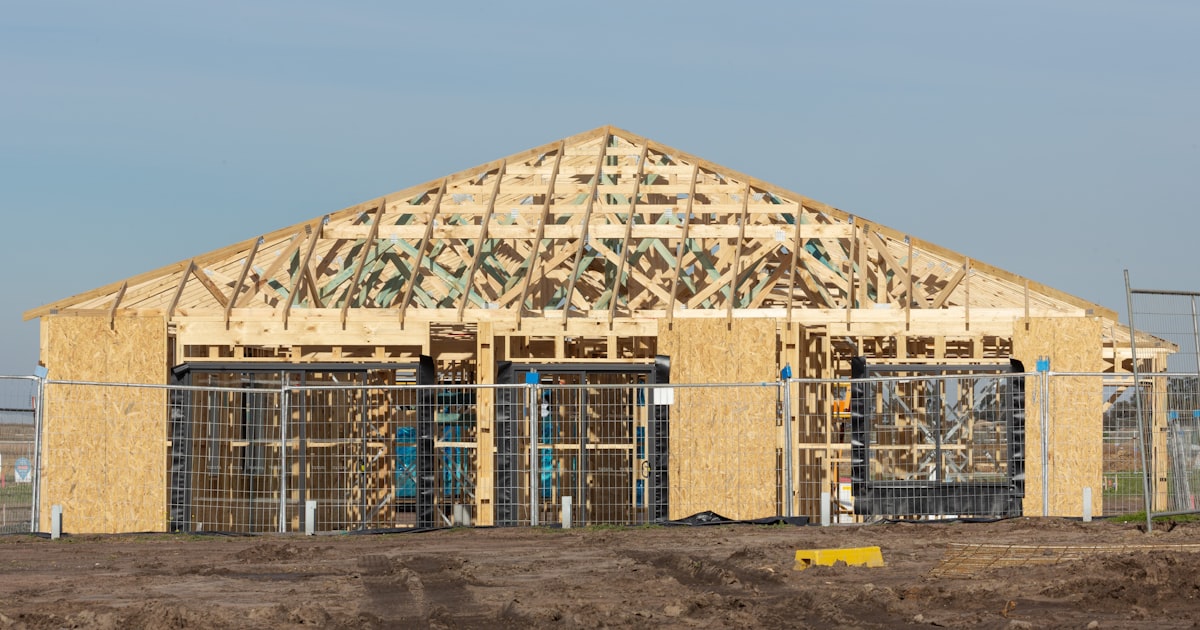
The frame stage is when your build finally starts looking like a house — walls and roof trusses going up, the floor plan visible in three dimensions. It's also one of the most critical inspection points in the entire build, because defects here are cheap to fix now and expensive to fix later [Home Loan Experts]. Progress payment at frame stage: 15–20% of the contract price.
Framing takes 2–4 weeks for a standard single-storey home and up to 6 weeks for a double-storey. Your mandatory frame inspection verifies:
- Frames are plumb (vertical) and square at all corners
- Structural connections — bolts, hurricane ties, and brackets — installed correctly per engineering plans
- Window and door openings match your specifications in size and position
- Roof trusses spaced correctly per your structural drawings
Don't waive or rush this inspection. Once the walls are clad and the plasterboard goes on, the same frame defect can cost tens of thousands to access and rectify.
Our finding: Steel framing has become noticeably more common in coastal Queensland and WA builds since 2022, driven by termite concerns and cyclone tie-down requirements. If you're building in a designated cyclone zone (C1 or above), verify your builder's framing specification matches your site's wind speed rating — available from your local council — before the frame goes up. Volume builders don't always flag this automatically.
Stage 4: Lock-Up — Weatherproofed and Secure
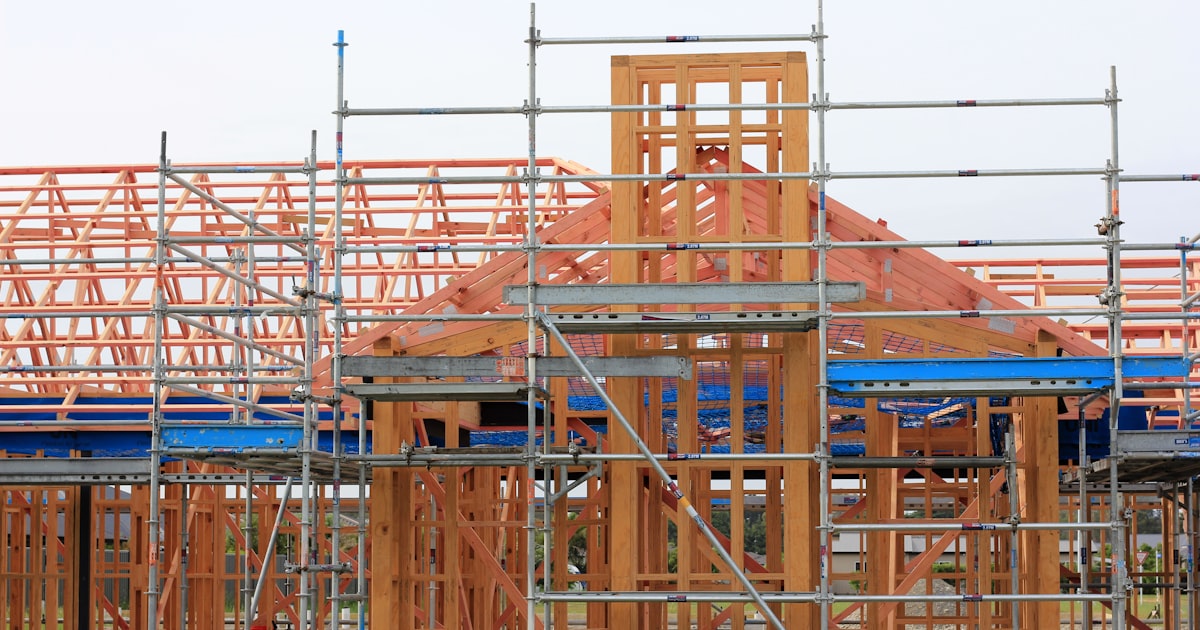
Lock-up is reached when your home can be physically secured — external walls, roof covering, all windows, and external doors are fully installed [Home Loan Experts. This triggers the largest single progress payment for most builds: 20–35% of the contract price. In Victoria, the Domestic Building Contracts Act specifically sets the lock-up payment at 35% — the biggest individual claim in a VIC build.
Lock-up work typically takes 2–4 weeks and includes:
- External wall cladding (brick veneer, weatherboard, or rendered lightweight cladding)
- Roof tiles or Colorbond steel fully laid, including ridgecapping and flashing
- All windows installed (including double glazing if specified)
- External doors fitted and operational
- Garage door installed
This is your last clear opportunity to inspect external elements while scaffolding is still in place. Before you authorise the lock-up payment, check:
- Windows match your colour, size, and glazing specification — compare line by line against your contract
- Roof covering is complete with no gaps in flashing, ridgecapping, or fascia
- External doors seal correctly and operate without binding
- Brickwork or cladding has no cracking, gaps, or misalignment
- All external penetrations (pipes, vents, cables) are correctly sealed against weather
Your inspection report should compare every window, door, and exterior element against the specification sheet you signed at contract. Discrepancies are far cheaper to address now than after scaffolding is dismantled.
Stage 5: Fixing — The Interior Takes Shape
The fixing stage — also called fit-out, joinery, or internal lining — is the longest single construction phase, typically running 4–8 weeks for most homes. Progress payment: 25–30% of the contract price. This is when the shell of your home transforms into something recognisable.
What happens during fixing:
- Plasterboard installed on all internal walls and ceilings (also called gyprock or drywall)
- Kitchen cabinetry and benchtops fitted
- Internal door frames, skirtings, and architraves installed
- Bathroom and laundry fixtures — basins, baths, shower bases, screens, toilets
- Floor substrate laid — tiles in wet areas, particleboard or timber subfloor elsewhere
- Rough-in continued — electrical conduit and outlets, plumbing, ducted heating/cooling
Variation costs tend to escalate during fixing. Upgrades to benchtops, tiles, or tapware that seemed modest on paper look different once you see them installed at full scale. Walk through your selections list at the start of this stage — not at the end.
Stage 6: Practical Completion and Handover
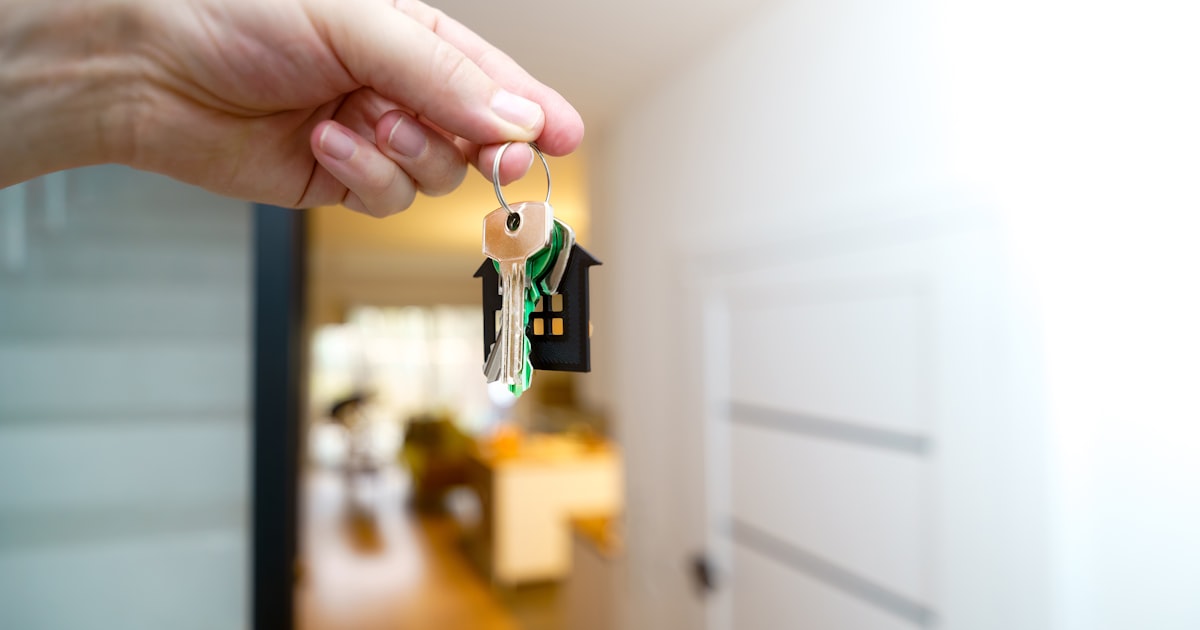
Practical completion is the final milestone before you take possession — but it isn't simply a ceremony. You have the contractual right to a pre-handover inspection, a defect list, and rectification of agreed items before releasing the final payment: typically 10–15% of the contract price.
Work completed at this stage includes painting, final flooring (carpet, engineered timber, vinyl plank), kitchen appliances, bathroom accessories, light fittings, and landscaping if it's included in your contract.
The practical completion sequence:
1. Builder's walkthrough — Your builder inspects the home and prepares their own defect list
2. Your pre-handover inspection — You (ideally with an independent inspector) walk through and document all defects
3. Defect rectification — Builder fixes agreed items before final payment is released
4. Occupation certificate — Issued by your private certifier or council, confirming the building is safe and legal to occupy
5. Loan conversion — Your construction loan converts to a standard variable or fixed home loan
6. Keys and documents — You receive keys, warranty documentation, maintenance manuals, and compliance certificates
An independent building inspector at practical completion costs $400–$700. They commonly identify waterproofing issues, drainage defects, cabinetry misalignment, and incomplete roof work — defects that are significantly more expensive to access and rectify once you've moved in. It's worth the fee.
How Long Does Each Stage Take? (2026 Build Timelines by State)
Queensland is the fastest state to build in at 9.15 months from approval to completion; Western Australia is the slowest at 15.45 months — a 6.3-month difference for what could be the same house design [MPA Mag / IPA analysis of ABS data]. These are construction-only figures; pre-construction adds a further 4–26 weeks depending on your approval pathway.
.png)
The state gap is substantial. A WA build takes 6.3 months longer than QLD on average — enough to significantly affect your rent costs, holding costs, and construction loan interest. Timeline isn't just a convenience factor; it's a budget factor too.
The typical construction timeline (excluding pre-construction) breaks down by stage like this:
.png)
What Are Progress Payments — and When Are They Due?
Progress payments are released by your construction lender when each verified stage is complete — not at the start of it. Your bank sends a valuer to the site to confirm the stage is finished before releasing funds to your builder. You pay interest only on amounts drawn down to date, not the full loan — which helps keep your holding costs manageable during construction.
.png)
Standard progress payment schedule (most Australian states):
| Stage | Payment |
|-------|---------|
| Deposit (contract signing) | 5% |
| Base / Slab | 10–15% |
| Frame | 15–20% |
| Lock-Up | 20–35% |
| Fixing | 25–30% |
| Completion | 10–15% |
Victoria has specific requirements under the Domestic Building Contracts Act — the deposit is capped at 5% and the lock-up payment is set at 35%. Always check your state's legislation against your contract before signing, not after.
Never approve a progress payment until the claimed stage is visibly and verifiably complete. Paying early removes your only real leverage if defects appear in the completed work.
Frequently Asked Questions
What is the first stage of building a house in Australia?
The first construction stage is Base or Slab — site clearing, preparation, and the concrete foundation pour. Before any construction begins, you'll complete a pre-construction phase covering design, contracts, soil surveys, and council approval. Pre-construction typically takes 4–26 weeks depending on your state and whether you use a DA or CDC approval pathway.
How long does it take to build a house in Australia in 2026?
The national average is 11.49 months from approval to completion. Add pre-construction and most builds run 15–18 months end to end. Queensland completes fastest at 9.15 months; Western Australia takes longest at 15.45 months — the largest state variation in the country.
What happens at each progress payment stage?
At each stage, your builder submits a progress claim. Your lender sends a valuer to verify the work is complete, then releases the payment directly to the builder. You only pay interest on drawn-down amounts, not the full loan. This protects both you and your lender.
What is the "lock-up" stage in Australian construction?
Lock-up is the stage at which your home is weatherproofed and can be physically secured — external walls, roof covering, windows, and external doors are all fully installed. The house can be "locked up." Lock-up triggers a progress payment of 20–35% of the contract price, making it typically the largest single payment in most state contracts.
Do I need an independent building inspector at every stage?
You're not legally required to, but it's strongly recommended at three stages: frame, lock-up, and practical completion. Each inspection costs $300–$500 and can catch defects that are far more expensive to access once the next stage begins.
Conclusion
Six construction stages, a pre-construction phase, and — in most states — over a year from contract to keys. That's the honest picture of building a house in Australia in 2026.
Key takeaways:
- Pre-construction approval times vary enormously by state — from 40 days in Queensland to 134 days in Victoria
- Fixing is the longest and most delay-prone construction stage, typically running 4–8 weeks
- Never approve a progress payment before the claimed stage is visibly complete
- An independent inspector at frame, lock-up, and practical completion is money well spent
- WA and SA builds run 4–6 months longer than QLD and VIC — factor that into your holding cost budget