Cost to Build a House in Australia (2026 Guide)
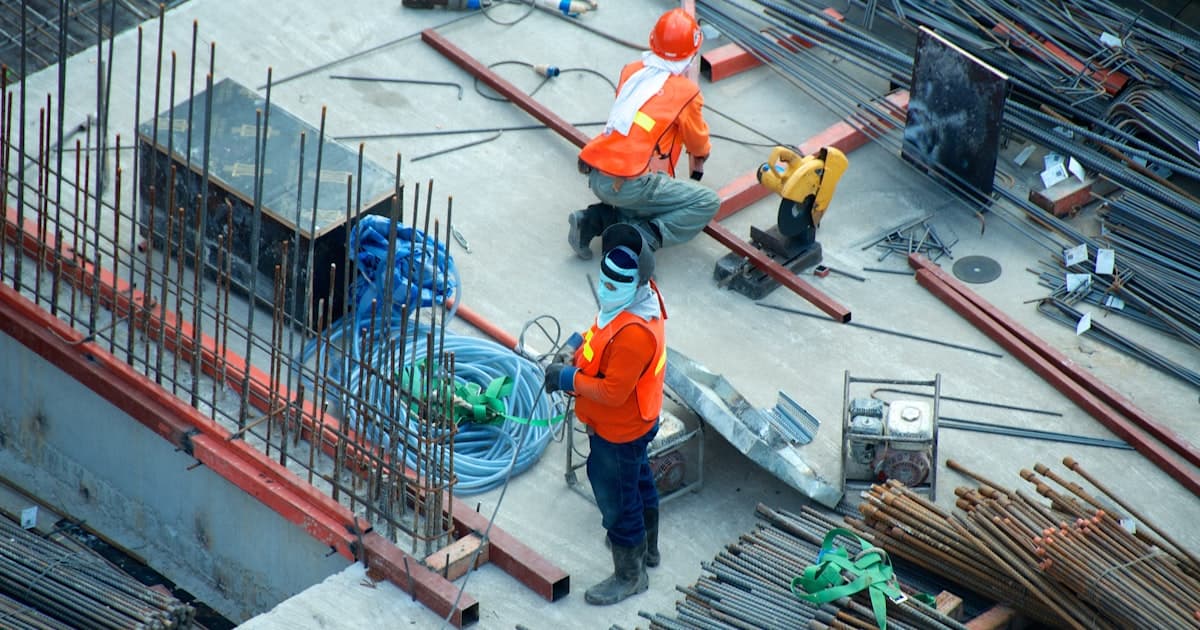
Building a new home in Australia now costs 47% more than it did before the pandemic (Cotality Cordell Construction Cost Index, December 2025). That's not a typo. If you're planning a build in 2026, you're walking into one of the most expensive construction markets this country has ever seen.
So what does it actually cost? The short answer: most Australians will spend between $275,000 and $550,000 on construction alone, before land. But the real number depends on where you're building, what you're building, and who's building it.
This guide breaks down every cost factor — state by state, finish level by finish level — so you can budget with confidence rather than guesswork. We've also built a free Build Cost Estimator to help you get a personalised estimate in minutes.
TL;DR: Building a house in Australia costs $1,500–$3,500 per square metre in 2026, with the national average sitting around $443,000 excluding land (Builder Brokers, 2026). Sydney is the most expensive state to build in, while Adelaide and Hobart offer the best value. Use our free Build Cost Estimator for a personalised quote.
How Much Does It Cost to Build a House in Australia in 2026?
The average cost to build a house in Australia is approximately $443,000, excluding land (Builder Brokers, 2026). On a per-square-metre basis, expect to pay between $1,600 and $2,700 for a project home, or $2,700 to $3,900+ for a custom design. These figures reflect construction costs only — land, landscaping, and driveways are extra.
What does that look like for a typical home? Here's a quick reference based on Australia's average new house size of 230m² (ABS, 2022):

Budget: ~$1,600/m² | Mid-range: ~$2,300/m² | Premium: ~$3,200/m²
Our finding: These ranges have compressed significantly since 2023. Budget builds have risen faster than premium builds in percentage terms, largely because materials and labour shortages hit the volume builder segment hardest. The "cheap build" isn't as cheap as it used to be.
Keep in mind: these are construction-only figures. Your total project cost will also include land, site preparation, council fees, and professional fees. Haven't factored in the extras yet? Our guide to hidden costs of building a new home breaks down every surprise expense.
.svg)
Why such a big difference between states? It comes down to labour availability, local council requirements, and land conditions. Sydney's higher costs reflect expensive trades, stricter BAL (bushfire attack level) requirements in many areas, and generally tighter building regulations.
According to a 2026 RLB forecast, construction cost escalation will remain elevated across all capitals — with Townsville facing the steepest rise at 6.0%, followed by Gold Coast at 5.5% and Perth at 5.3% (RLB Q4 2025 Market Intelligence, December 2025). That means if you're building in 2026, your costs will likely be higher by mid-year than they are right now.
Don't forget land costs either. The national median residential lot price hit a record $391,420 in the September 2025 quarter — up 10.3% year-on-year (HIA-Cotality Residential Land Report, February 2026). In Sydney, the median lot costs $615,000 alone.
What Factors Affect the Cost of Building a House?
Your location and house size are the two biggest cost drivers, but at least eight factors will shape your final price tag. Construction costs in Australia vary by up to 65% depending on the combination of choices you make (multiple industry sources, 2026). Here's what moves the needle most.
Site costs are the expenses required to prepare your block for construction. They include soil testing, site clearing, excavation, retaining walls, and utility connections. A flat block with good soil might cost $10,000 in site prep. A sloping block with reactive clay? That can blow out to $45,000 or more.
House size and layout directly affect your per-metre costs. Bigger isn't always proportionally more expensive — kitchens and bathrooms cost more per square metre than bedrooms or living rooms. A 200m² home with three bathrooms could cost more than a 230m² home with two.
Finish level is where budgets either stay on track or spiral. The difference between laminate benchtops and stone, or between builder-grade tapware and premium fixtures, can add $50,000–$100,000 to your build.
Other cost factors include:
- Soil classification — Reactive soils (Class H or E) need deeper footings, costing $5,000–$20,000 extra
- Slope and access — Sloping blocks need cut-and-fill or split-level designs
- Bushfire zone (BAL rating) — BAL-rated areas require fire-resistant materials and ember guards
- Council requirements — Some councils mandate specific materials, setbacks, or design standards
- Energy efficiency (NCC 2025) — New energy codes add an estimated $25,000–$35,000 per home (HIA, February 2026)
Where Does Your Building Budget Actually Go?
Materials account for the largest share of your build cost at roughly 40%, followed by labour at 35% (ABS, 2025). Builder margins, overheads, permits, and a contingency fund make up the remaining 25%. Understanding this breakdown helps you spot where savings are realistic — and where cutting corners will cost you later.
Here's what each category covers:
Materials (40%)
Timber, concrete, bricks, roofing, windows, insulation, and internal fit-out materials. Copper prices rose 16.5% year-on-year and cement products climbed 5.2%, though steel dropped 4.6% (Altus Group, Q4 2025). Material costs are the most volatile component of your budget.
Labour (35%)
Carpenter and electrician rates have jumped 12–18% since 2023 (RLB, Q4 2025). Australia's construction sector — now worth $318 billion — is facing persistent trade shortages, which means you're paying more and often waiting longer for qualified tradespeople.
Builder Margins and Overheads (15%)
This covers your builder's profit, insurance, project management, warranties, and office costs. Margins typically run between 10% and 20% of construction value. Higher isn't always bad — well-managed builders with proper insurance and warranty coverage provide genuine value here.
Permits, Fees, and Compliance (5%)
Council planning permits, building permits, development contributions, and inspections. Victoria charges $546.30 for a planning permit (Planning Victoria, 2025–26), but total council-related costs including development contributions can reach $15,000–$30,000 in some areas.
Contingency (5%)
A non-negotiable buffer for the unexpected. Most building consultants recommend 5–10% of your total budget.
Is It Cheaper to Build Single-Storey or Double-Storey?
Single-storey homes cost $1,800–$2,800 per square metre, while double-storey homes cost $2,100–$3,500 per square metre — a premium of roughly 15–25% per square metre for going up (multiple industry sources, 2025). But that's not the full picture. Double-storey homes use less land, which means a smaller (cheaper) block and less roof area.

The extra cost comes from structural steel, scaffolding, staircase construction ($8,000–$25,000), and more complex engineering. But here's where it gets interesting: if you need 250m² of living space, a double-storey on a 350m² block might end up cheaper overall than a single-storey on a 500m² block — because the land savings can outweigh the construction premium.
When does single-storey make more sense? If you're building on a wide, flat block and don't need more than 200m² of living space. It's also better for accessibility and future-proofing as you age. Double-storey works best on narrow or small blocks where you need to maximise floor area.
How Do Project Home and Custom Build Costs Compare?
Volume builders (project homes) charge $1,800–$3,000 per square metre, while custom builders start at $2,500 and can exceed $5,500 per square metre (Builder Brokers, 2026). That means project homes are typically 15–50% cheaper than custom equivalents — a difference of $80,000 to $250,000 on a standard 230m² home.
What we've seen: Buyers who start with a project home and assume they'll "just upgrade a few things" often end up spending 20–30% more than the base price once they've added all their selections. The advertised $280,000 project home rarely stays at $280,000 after you've chosen the finishes you actually want.
Here's how they compare:

Project homes are cheaper because volume builders buy materials in bulk, use standardised designs that reduce drafting and engineering costs, and run efficient construction schedules. They're a good fit for straightforward blocks and buyers who are happy choosing from a range of pre-designed floor plans.
Custom builds make sense when you've got a challenging site (steep, narrow, heritage overlay), specific architectural preferences, or need a design that maximises unusual block characteristics. You're paying more, but you're getting a home designed specifically for your land and lifestyle.
How Can You Reduce Your Building Costs?
The Cordell Construction Cost Index shows a cumulative 31% increase over five years (Cotality, December 2025). You can't control the market, but you can make design and procurement decisions that keep your project within budget. Here are the strategies that actually work.
Simplify your floor plan. Every corner, angle, and offset adds structural complexity and cost. A rectangular floor plan with a simple roofline can save $15,000–$30,000 compared to a design with multiple rooflines and setbacks.
Choose standard sizes. Windows, doors, and benchtops that come in off-the-shelf sizes cost a fraction of custom dimensions. A custom-sized window can cost three times its standard equivalent.
Get competitive quotes. Always get a minimum of three builder quotes for the same plan and specifications.
Time your build wisely. The construction industry has seasonal patterns. Starting your build in the quieter winter months (June–August) can improve trade availability and sometimes pricing.
More cost-saving strategies:
- Reduce wet areas — Bathrooms cost $20,000–$50,000 each. Do you really need four?
- Skip the basement — Excavation and waterproofing for basements adds $50,000–$100,000+
- Standard roof pitch — Complex rooflines with multiple pitches increase framing and roofing costs significantly
- Owner-supplied items — Some builders allow you to purchase items like appliances, light fittings, or tapware yourself at retail prices
- Stage your landscaping — You don't need the full garden on move-in day. Budget $30,000–$60,000 for landscaping later
Our finding: Based on builds we've analysed, the single biggest cost blowout comes from changes made after construction begins. Variations during the build can cost 2–3x what they would have cost if specified in the original contract. Finalise your selections before you sign.
Try Our Free Build Cost Estimator
Not sure what your build will cost? Our Build Cost Estimator tool gives you a personalised estimate based on your postcode, house size, number of storeys, and finish level.
Enter your details and get an instant range — no sign-up required. It's built on the same data powering this guide, updated monthly with the latest industry cost data.
It won't replace a builder's quote, but it'll give you a solid baseline so you know what ballpark you're in before you start talking to builders. Try it now and see how your dream home stacks up.
Frequently Asked Questions
How much does it cost to build a 4-bedroom house in Australia?
A standard 4-bedroom house (200–250m²) costs between $320,000 and $875,000 depending on location and finish level. In Sydney, expect $440,000–$875,000. In Adelaide or Hobart, the same design could cost $300,000–$625,000. The national average sits around $443,000 excluding land (Builder Brokers, 2026).
Is it cheaper to build or buy in Australia in 2026?
It depends on your market. In cities where established home prices have surged — like Sydney and Melbourne — building can still be competitive, especially in outer suburbs. However, Australia approved 195,523 new homes in the year to November 2025 (ABS, January 2026), well short of the 240,000 annual target, which is keeping new home supply tight and costs elevated.
What's included in a builder's quoted price?
Most builder quotes cover the construction of the dwelling itself — foundations, framing, roofing, internal fit-out, and standard inclusions listed in the contract. They typically don't include land, site costs (soil tests, excavation, retaining walls), landscaping, driveways, fencing, blinds, or utility connections.
How long does it take to build a house in Australia?
A project home typically takes 6–10 months from slab to handover. Custom homes take 10–18 months. Add 3–6 months for council approvals, engineering, and design before construction starts. Total timeline from signing a contract to moving in: 2–24 months for most builds.
How much should I budget for site costs?
Site costs — including soil testing, site clearing, excavation, retaining walls, and utility connections — range from $10,000 on a flat, serviced block to $45,000+ on a sloping or difficult site. Reactive soil classifications (Class H or E) alone can add $5,000–$20,000 in additional foundation costs. Always get a soil test before signing a building contract.
Start Planning Your Build Today
Building a house in Australia in 2026 isn't cheap — but it doesn't have to be a guessing game. The national average of $443,000 is just a starting point. Your actual cost depends on where you build, what you build, and the choices you make along the way.
The best time to build is when you've got a clear budget, realistic expectations, and the right team behind you. Start with the numbers, then find the builder.