News
A second kitchen can class a house as an apartment: Victorian Coalition promises a review if it wins on 28 November
A home designed with a second kitchen, or a self-contained living space upstairs, can be classed as an apartment building under the National Construction Code, bringing heavier safety requirements and extra cost. If the Victorian Coalition wins the state election on 28 November, it has promised to review those rules so such homes can remain Class 1 single houses, provided they are not subdivided.
The Housing Industry Association has backed the pledge. It is a promise to hold a review with the industry if the Coalition forms government, not a change already written into law.
Why a second kitchen can trigger apartment rules
Under the National Construction Code, a Class 1 building is a house: a detached home, or one of a row of townhouses separated by fire-resisting walls. A Class 2 building is an apartment building, typically where two or more sole-occupancy units sit above, beside or below each other.
ABC News reported that, under the code, homes with a second kitchen or a self-contained upstairs living space must be classed as Class 2, which triggers major safety requirements and significant costs. That often happens when the upstairs space is treated as a second dwelling sitting over the one below. Class 1 buildings cannot sit above or below another dwelling, other than a private garage.
State and territory governments can override the national code with their own legislation.
This is separate from Victoria's existing small second dwelling rules, which allow a self-contained home of 60 square metres or less on the same lot as a house to remain Class 1a — the granny-flat model. The issue in this debate is a second kitchen or self-contained space inside the main house, especially upstairs.
What the Coalition says it would do
Shadow Minister for Home Ownership and Housing Affordability Nicole Werner said the Coalition, if elected on 28 November, would review building regulations and planning rules, in consultation with the industry, so homes with extra kitchens can stay Class 1, as long as the property is not subdivided.
"Multigenerational housing is this great opportunity to actually match how Victorians are choosing to live," Ms Werner said. "It provides a choice for people to be able to either live with grandparents — whether it's for aging in place or for help with child care — or co-purchase with a sibling or friend."
One family's $100,000 lesson
For Robert Stopajnik, a plan that began in 2015 to build a Northcote home with a separate upstairs kitchen for his daughter Liz, and eventually for his ageing parents, has taken more than a decade and about $100,000 in additional costs. He told ABC News he would not have started if he had known how long it would take.
Even after extra fire-safety measures — smoke detectors in each room, an extra staircase and additional plasterboard — he said the arrangement is still not legal. The upstairs kitchen is modular, and can be disconnected from the power and water and rolled into storage if the family's needs change. For now it is used by 24-year-old Liz and her roommate, while Mr Stopajnik lives downstairs.
"I went through multiple consultants, multiple conversations with authorities, I spoke to multiple industry people — and it's still not legal," he said.
Demand is already rising
In the 2021 census, the number of multigenerational households — three or more generations under one roof — rose 22 per cent, from 275,000 in 2016 to 335,000. PropTrack data published earlier this year found searches for "dual-occupancy" homes had risen 385 per cent over the previous year, as reported at the time.
The Housing Industry Association says its members have seen growing demand for homes suited to multigenerational living. Victorian executive director Keith Ryan said the code "has a tendency to make assumptions about how people are occupying homes."
"You've got to make sure you don't compromise the safety and structure of the home. But it's a very black and white distinction at the moment that limits the capacity of the industry to supply homes that people actually want to live in."
No standalone HIA media release specifically on this Coalition pledge was found. Mr Ryan's comments were reported by ABC News on 17 November.
What that means if you are building
If you are designing a new home in Victoria with a second kitchen or a self-contained upstairs space for parents or adult children, ask your builder and building surveyor early how the design will be classified. A Class 2 rating can add fire-safety work, time and cost, as the Northcote example shows.
A separate granny flat or small second dwelling of 60 square metres or less on the same lot is a different pathway, and already has its own Class 1a rules.
The Coalition's plan is an election promise. It would need a review, then legislation, and only if the Coalition wins on 28 November. Until any change is made, the current classification rules still apply.
This is general information, not legal or building advice. Check your plans with your own building surveyor and solicitor.
Sources: Nicole Werner, Shadow Minister for Home Ownership and Housing Affordability, and Housing Industry Association Victorian executive director Keith Ryan, as reported by ABC News on 17 November 2026; Robert Stopajnik, as reported by ABC News on 17 November 2026; National Construction Code building classifications, Australian Building Codes Board; Victorian Building Authority guidance on building classes and small second dwellings; Australian Bureau of Statistics, Census of Population and Housing, 2021, multigenerational household counts as widely reported, including by ABC News; PropTrack dual-occupancy search data published in 2026, as reported earlier this year.
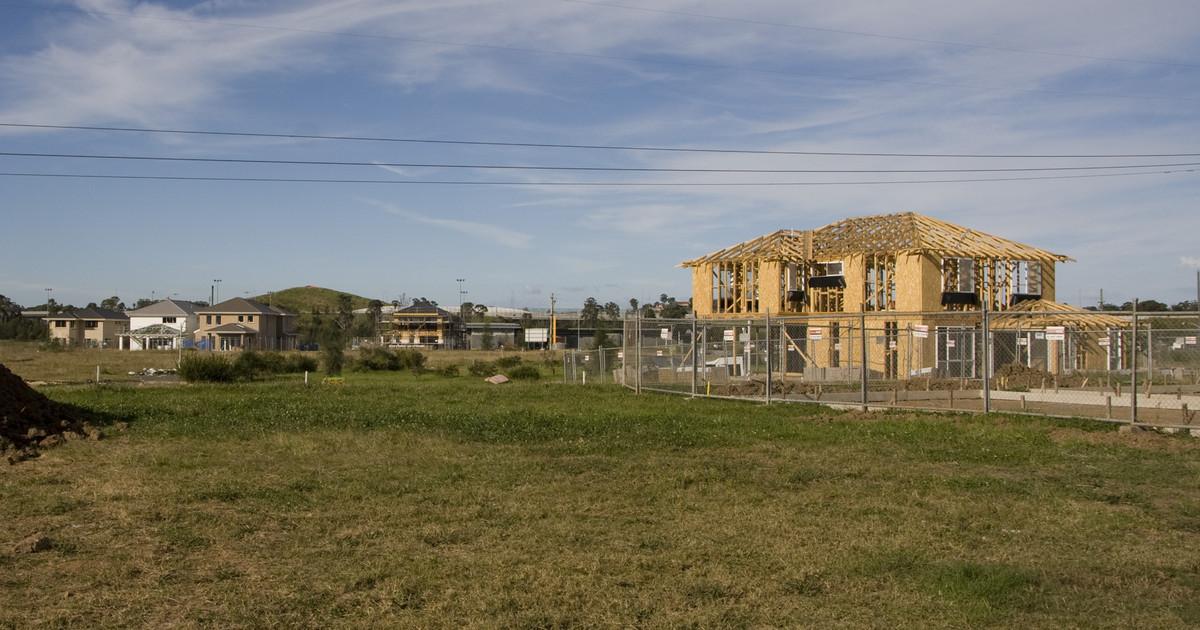
Cover photo: Onmaditque / Wikimedia Commons (CC BY 4.0), cropped.