The Malvern 208 by Orbit Homes - Practical Living Done Right
Orbit Homes
Home Specifications
Pros
- • Excellent flow from entry through to the open-plan living zone
- • Flexible front sitting room ideal for a study or home office
- • Honest display with minimal upgrades
Cons
- • Secondary bedrooms may feel modest for older kids or teenagers
- • Buyers wanting a bold architectural statement may find it a little understated
Overview
The Malvern 208 is one of those homes that immediately feels easy to live in. Nothing is overdone, nothing feels forced — it’s practical, calm, and thoughtfully laid out. On display, it presents as a genuinely achievable family home rather than a showpiece full of unrealistic upgrades, which is honestly refreshing.
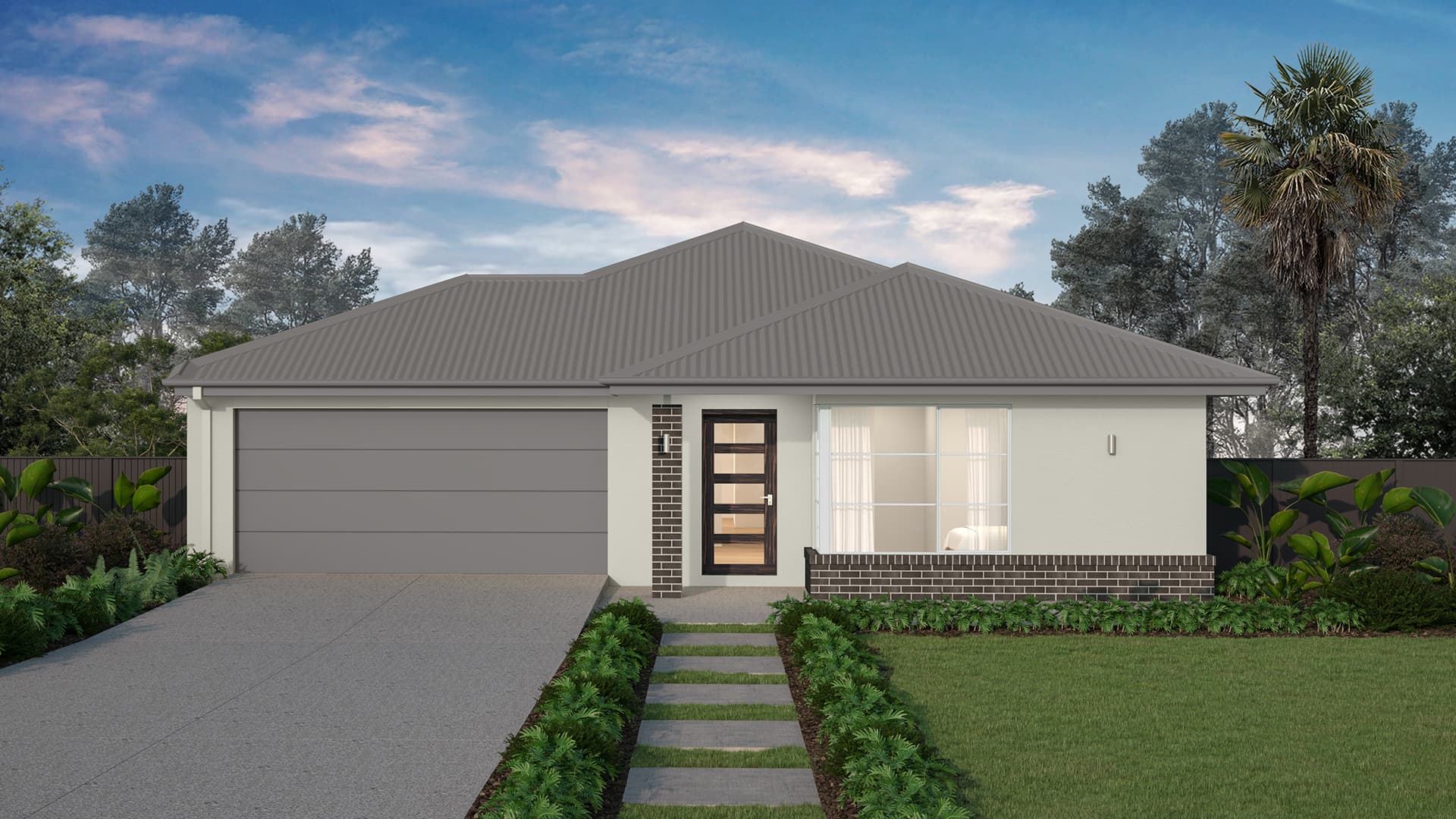
Designed by Orbit Homes, the Malvern 208 is clearly aimed at first home buyers, small families, or downsizers who still want space without unnecessary complexity. It’s a single-storey layout that prioritises flow, natural light, and everyday functionality — and it does so confidently.
First impressions are strong. The layout feels logical from the moment you step inside, and the herringbone flooring running through the main areas immediately lifts the overall feel without screaming “display home.”
Design & Floorplan
The strength of the Malvern 208 lies in how intuitively it’s zoned.
Entry & Front Living Zone
You enter into a defined entry hall, with the front sitting room positioned just off the porch. This space is a standout for flexibility. Styled as a sitting room in the display, it would make an excellent home office, study, or quiet retreat, especially for buyers working from home. Being at the front of the home, it feels private without being disconnected.
The master suite is also positioned at the front, giving parents a sense of separation from the rest of the household. It’s generously sized, with a walk-in robe and ensuite, and benefits from good natural light.
Central Living Core
Moving down the hallway, the home opens up into the open-plan kitchen, meals, and family zone, which is the heart of the design. This area feels balanced rather than oversized — big enough for family living and entertaining, but still cosy and manageable.
The kitchen sits centrally with a walk-in pantry and a long island bench that anchors the space. It connects seamlessly to both the meals area and family room, making it easy to keep an eye on everything while cooking.
Sliding doors open directly to the outdoor living area, extending the living zone and allowing plenty of natural light to pour in. This indoor–outdoor connection is one of the home’s strongest features and makes the space feel brighter and breezier than the floorplan alone suggests.
Bedroom Wing
The remaining three bedrooms are grouped together along the right-hand side of the home in a dedicated sleep wing. Each includes built-in robes and easy access to the main bathroom, laundry, and separate powder room — a practical setup for families with kids.
Style & Finishes
One of the most appealing aspects of this display is how honest it feels.
The herringbone flooring through the main living areas elevates the home without pushing it into luxury territory. It adds texture and warmth while still feeling appropriate for an entry-level or mid-range build.
Finishes throughout are neutral, contemporary, and understated — which works in the Malvern’s favour. There’s no overwhelming use of feature colours or high-end upgrades, and that’s exactly why the home resonates. What you see genuinely feels like what you’d get.
For buyers who want a clean, modern base they can personalise over time, this approach makes a lot of sense.
Display Experience
Walking through the Malvern 208 feels calm and straightforward. Ceiling heights feel comfortable, natural light is consistent throughout, and the acoustics are surprisingly good for a single-storey family home.
What stood out most during the walkthrough was how liveable the home felt. Rooms are sensibly sized, hallways aren’t wasted space, and nothing feels cramped or excessive. The display does a great job of showing how the floorplan works without relying on visual tricks or oversized furniture.
It’s the kind of display where you can realistically imagine moving straight in — which isn’t always the case.